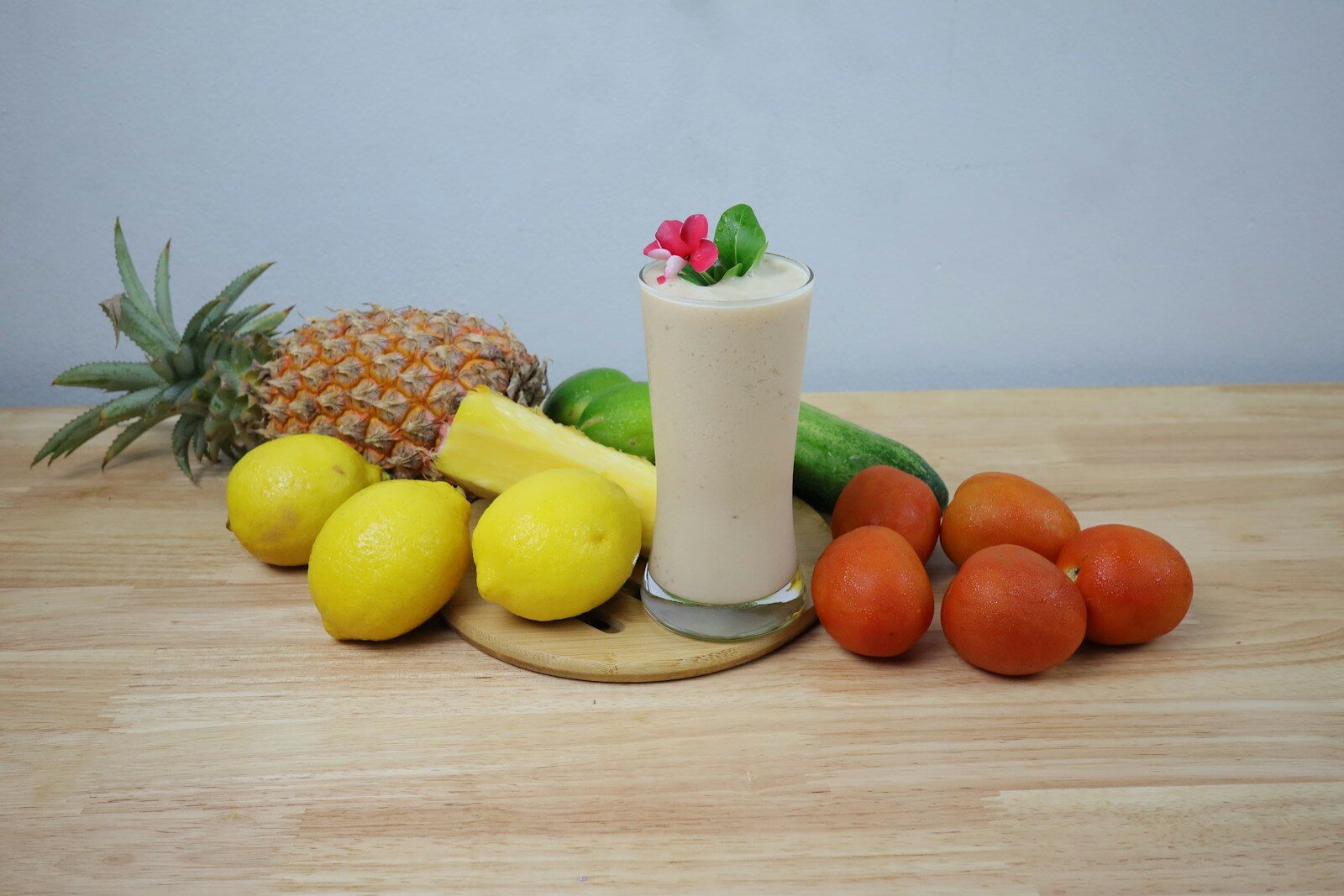
According to the World Health Organization (WHO), one of the keys to attaining this goal are that we eat from a wide variety of food groups and sources. Smoothies can provide a very quick, simple and easy way for those individuals with special dietary needs to meet this requirement for balanced meals. Nutritionist Rujuta Diwekar believes that whole and ‘natural’ foods have value and should be a primary component of the way in which we prepare our meals each day; smoothies fit nicely into this philosophy for breakfast.
There are many brands on the market today that make blending and preparation of smoothies easier including NutriBullet or Vitamix. This article will provide a number of recipes, types of ingredients, and methods of making smoothies to achieve daily energy and nutrition.
What is a Healthy Breakfast Smoothie?
Unlike other processed breakfast options on the market today, Smoothies typically use minimally processed or fresh ingredients. The reason why there has been such an increase in the popularity of Smoothies is that many people are changing their eating habits and have found it to be necessary due to busy lifestyles – many are looking for an easy to prepare, nutrition-dense meal as part of their daily routine.
Smoothies are an ideal food choice due to their rapid preparation time as well as their ability to deliver a good variety of vitamins and minerals. They are gaining traction within urban areas and within the worldwide wellness movement.
Important Characteristics of Breakfast Smoothies
Breakfast smoothies are also a versatile option as they can be composed of whichever ingredients fit one’s preference (for example – dairy-free, protein-rich, low-sugar). This is advantageous to people following a variety of different dietary lifestyles.
Common characteristics of breakfast smoothies are the natural sweetness they receive from a fruit base, their smooth consistency, and their ability to consist of multiple different food categories within one serving. This allows for continued creativity and variety in food choices throughout each day.
Nutritional Benefits of Smoothies
When combined with the appropriate ingredients, breakfast smoothies can also provide immediate energy from carbohydrates, muscle support from protein, and (in some cases) longer-lasting energy through healthy fats – all of which help maintain energy levels throughout the morning.
Numerous research studies conducted by institutions such as Harvard T.H. Chan School of Public Health have shown that eating whole foods play above recommendations because they provide micronutrients, fiber, and calories in one serving!
- Natural sugar from fruit, which allows you to have energy quickly
- Fiber helps with digestion and provides a sustained release of energy
- Protein keeps your muscle working properly
Pros and Cons of Breakfast Smoothies
There are several positives to having a smoothie as a breakfast option; however, the extent to which you will experience these benefits will vary based on how the smoothie was prepared and what ingredients were used to make it. Here are some positives:
- Fast & easy to make
- Can be customized with many different ingredients
- Can provide many nutrients in one serving
- Ideal for those with busy lifestyles
That said, there are also limits to having a smoothie as a breakfast option depending on the how they were prepared and what ingredients were used. Here are some negatives:
- If not mixed properly may contain too much sugar
- If your smoothie does not have enough protein or fiber content, you may not feel full for very long after consuming it
Key Ingredients for Well Balanced Smoothies
The quality of a smoothie is dependent upon the quality of the ingredients being used to create them; therefore, it is beneficial to choose fresh, nutrient-dense ingredients because they help provide you with high quality smoothies both from a taste perspective as well as from a nutrient perspective!
All of the ingredients used in smoothies generally fall into three categories: liquid base, fruits/vegetables, and protein source(s) along with healthy fat(s).
Core Ingredient Categories
- Liquid base such as milk, almond milk, or coconut water
- Fruits like banana, berries, or mango
- Vegetables such as spinach or kale
- Protein sources like yogurt or protein powder
- Healthy fats from nuts or seeds
Banana Oat Smoothie Recipe
This recipe is a regular part of many people’s daily meal plans as anyone can easily obtain these ingredients and prepare this breakfast quickly. This recipe uses simple kitchen ingredients that are widely available.
Ingredients and Preparation Steps
- 1 ripe banana
- 2 tablespoons oats
- 1 cup milk or almond milk
- 1 teaspoon honey (optional)
- 4–5 soaked almonds
- 2–3 ice cubes
Berry Protein Smoothie
Throughout the world, the most commonly used berries in smoothie recipes include strawberries, blueberries, and raspberries; popular in some cultures, these berry smoothies are typically included in well-balanced diet plans that can be promoted by many professional organizations, such as the American Heart Association, among others.
Ingredients and Step-by-Step Method
- 1 cup mixed berries (fresh or frozen)
- 1/2 cup yogurt
- 1 scoop protein powder
- 1 cup almond milk
- 1 teaspoon chia seeds
- 2–3 ice cubes
Green Detox Smoothie
The Green Detox Smoothie with Spinach and Apple is an increasingly popular way to include more leafy green vegetables and fresh fruits into our diets through the consumption of green smoothies as a meal replacement option. Leafy greens such as spinach and other fruits, like apples, are not only great sources of fiber but also provide important nutrients while having a subtle taste.
Many companies, including Organic India, promote the use of more natural and plant-based products in our daily diets by helping to create the popularity of natural foods as a part of good health.
Ingredients and Complete Preparation Process
- 1 cup fresh spinach leaves
- 1 apple (chopped)
- 1/2 cucumber
- 1 cup coconut water
- 1 teaspoon lemon juice
- 4–5 mint leaves
Peanut Butter Protein Smoothie
Companies like Skippy and MyFitnessPal also market peanut butter as an energy-dense food that is also sustaining. Not only do these smoothies provide a creamy and nutty taste, but they can also be easily combined with bananas or other milk-based foods.
Because of the equal proportions of macronutrients, they are commonly included in the meal plans of exercise enthusiasts. Preparation is easy, yet can yield a very satisfying taste compared to a fruit-only smoothie.
Ingredients and Complete Preparation Steps
- 1 tablespoon peanut butter
- 1 banana
- 1 cup milk
- 1 tablespoon oats
- 1 teaspoon honey
- 3–4 ice cubes
Advantages and Disadvantages
- They provide protein and healthy fats
- They help you to feel full longer
- They have a great, rich flavor
- Compared to other smoothies, they are high in calories
- They cannot always be incorporated into low-fat diets
- They can be dangerous to those with peanut allergies
Common Mistakes in Preparing Smoothies
According to experts such as the Mayo Clinic, the use of balanced ingredients will help to preserve the nutritional value of the finished product. Another common problem that occurs with the preparation of smoothies is the incorrect layering of ingredients in the blender.
If the order of the ingredients is not correct, then the final product can have an uneven texture. If you use the correct blending sequence, however, your smoothie will have a smooth and uniform consistency and there will be a much better chance for success.
Common Errors
- Liquid base to the mixture is left out; thus, it makes it more difficult to mix
- These items can really impede the use of smoothies as a healthy meal choice when they are consumed at breakfast
Conclusion
Balance in portion size will ensure that the smoothie remains both nutritionally sound as well as offers satisfaction and enjoyment to the individual consuming it. Consistency in preparation will provide for better results during each preparation of the smoothie without compromising the results.
There is an increasing amount of interest surrounding the consumption of healthy breakfast smoothies as a way to consume multiple food groups within one meal. Due to our busy lifestyles, the convenience of this way of eating is very attractive and meets our needs for a well-balanced meal.
Guidance provided by a number of health care professionals establishes the credibility of this type of breakfast. Individuals can choose from many different types of recipes and have the opportunity to try new smoothies without being limited to a single recipe.
Each type of smoothie provides multiple nutritional benefits and can be made based upon what an individual would prefer or according to any dietary concern they may have. This flexibility continues to be one reason for the increased demand of smoothies as a viable part of an individual’s meal planning.