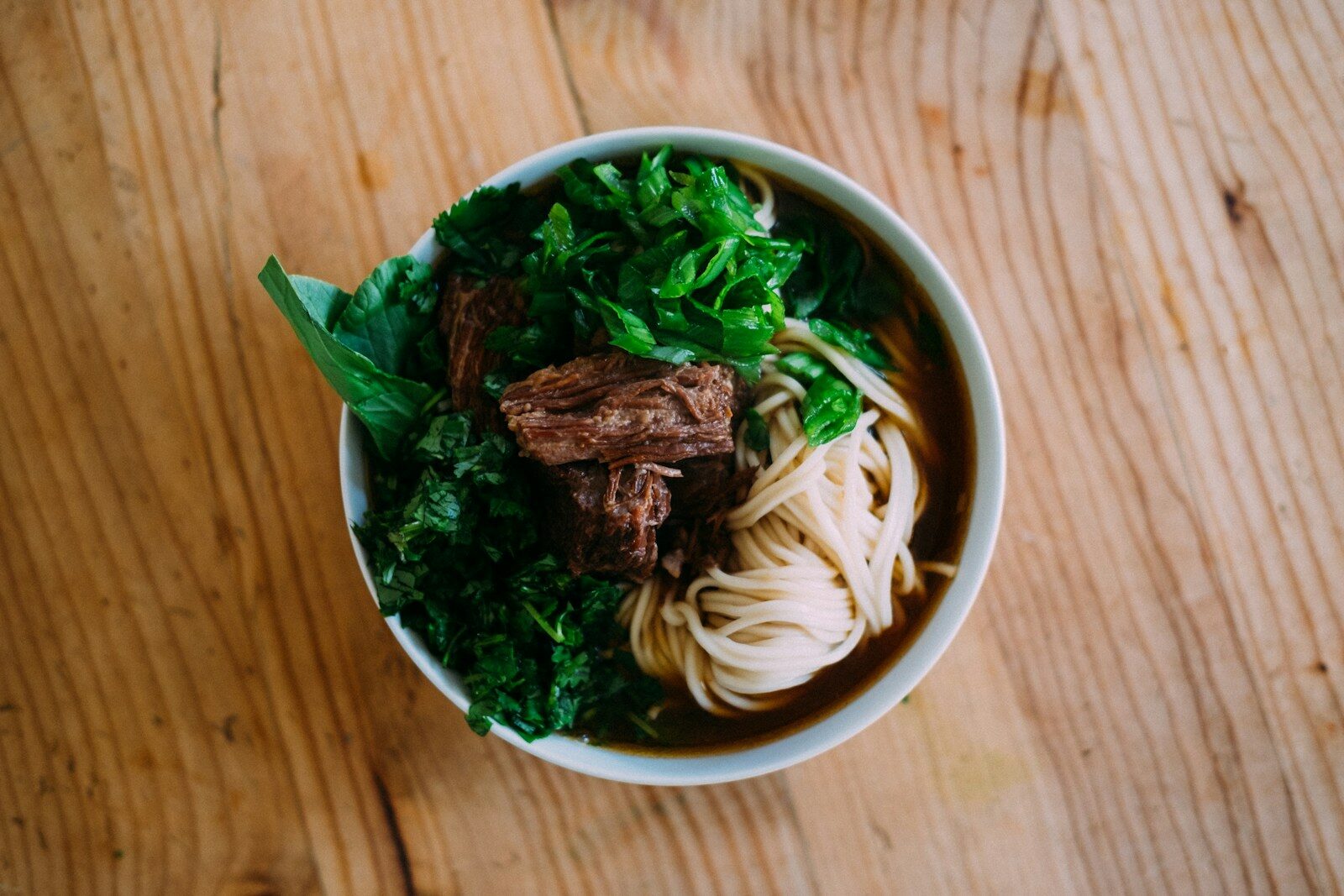
The Korean Beef Bowl is now one of the most recognizable comfort food dishes found in kitchens around the world, as it combines bold flavors along with straightforward cooking methods. There is a large community of cooks who have turned their kitchens into a place to cook this dish, inspired by many popular traditional Korean dishes such as bulgogi; the Korean Beef Bowl is a dish that provides its creator with a balanced combination of savory, sweetness and umami.
Many home cooks choose to make their own Korean Beef Bowl as they prefer to have more control over ingredients, the amount of food they are serving, and the amount of seasoning being used. Due to the combination of ingredients such as ground beef, soy sauce, garlic, and rice, Korean Beef Bowls provide an easy, complete meal that satisfies the evolving eating culture of today by focusing on quick preparation and taste as two key elements of a meal.
Global Popularity and Cultural Influence
With the growth in popularity of Korean cuisine around the world, Korean Beef Bowls are viewed as both a practical meal as well as an example of how culinary trends have changed over time.
The Korea Agro-Fisheries & Food Trade Corporation has promoted Korean food to the global consumer and therefore Korean Beef Bowls are an example of the evolution of how people can prepare Korean food using simplified cooking methods while still enjoying traditional Korean flavours.
The concept of the Korean Beef Bowl is based on popular Korean flavours, based primarily on bulgogi, which is thinly sliced beef marinated with soy sauce, sugar, garlic and sesame oil and cooked. In this version of the dish, ground beef helps to create a meal that is easier to prepare than sliced meat, without sacrificing the original flavour. A similar approach has been applied to recipes on various modern recipe platforms such as Allrecipes and BBCGoodFood — efficiency and taste are emphasized equally.
Flavor Balance and Everyday Appeal
The balance of flavours is essential to the way this dish is prepared. The rice is the neutral base and the seasoned beef provides richness and depth of flavour.
This meal is popular among urban households and working people because they can quickly prepare.
Why Has It Become World-Wide Popularity?
The popularity of Korean Culture through global media and the increase in the awareness of Korean Cuisine due to the popularity of chefs like Maangchi on platforms such as Netflix, has increased the amount of knowledge that individuals have about Korean Cuisine. The increase of social media platforms has allowed for the display of quick and visually pleasing Korean Food Recipes. The Korean beef bowl’s versatility makes it appeal to many different kinds of cooks, and thus, this recipe has continued to be highly sought after as a trending recipe around the world.
Ingredient Quality and Impact
The way that an ingredient’s quality affects the final product is one of the most important factors about what goes into creating a good-tasting Korean beef bowl.
Ingredients List
- Ground beef (500 g, medium fat)
- Cooked white rice (2–3 cups, fresh)
- Soy sauce (4 tbsp)
- Brown sugar (2 tbsp)
- Garlic (4–5 cloves, minced)
- Ginger (1 tsp, grated)
- Sesame oil (1 tbsp)
- Black pepper (½ tsp)
- Salt (as needed, optional)
Garnish
- Green onions (2–3 stalks, chopped)
- Sesame seeds (1 tsp, toasted)
Optional Vegetables
- Carrot (1, julienned)
- Cucumber (1 small, sliced)
- Spinach (1 cup, sautéed)
Optional Spice
- Red chili flakes (½ tsp)
- Gochujang (1 tbsp)
Ingredient Balance is Important
The proper balance of ingredients will determine whether you will prepare a superior or average Korean beef bowl.
Step-by-Step Cooking Method
Making a Korean beef bowl is simple and can be done very quickly! This cooking method has a strong emphasis on efficiency without sacrificing quality due to poor cooking or improper combining of ingredients. Usually, once the ground beef has been evenly browned in the pan, it will create a foundation or base of taste for the dish. Cooking the minced meat is essential to creating the basis of flavor for the dish.
Once the beef is cooked, then there will be an opportunity to eliminate any excess fat, thus, creating a slightly less greasy ending product.
Cooking Process Overview
- Heat pan and brown ground beef
- Prepare rice using traditional steam or boil method and serve as base for cooked beef
- Complete cooking process
- Thicker sauce will ensure that the flavor from the
Finalizing the Dish Assembly
The two colors not only provide contrast, but also offer an organized and completed meal.
Korean beef bowl represents a unique culinary identity due to this balance of savoury, sweet and rich. The sauces used to coat the chicken/beef should be evenly distributed, without becoming too thick or too thin of consistency, so that they can be absorbed into the rice.
Methods for Building a Korean Beef Bowl
The primary cooking method for developing the ingredients in a Korean beef bowl is stove top sautéing; ground meat is cooked quickly using medium to high temperature. Sautéing is recommended by many culinary websites, including Allrecipes, as an effective and fast way to develop flavor from browning through this technique. Sautéing is also effective as it allows for developing flavor, while reducing cooking time.
Essential Kitchen Tools
- Spatula – either a wood or silicone spatula is preferred for moving food/creating uniform pieces of ground beef
- Measuring spoons – to ensure correct amount of sauce is added to ground beef
- Rice cooker – most homes will have some type of rice cooker or large pot that is used to create rice Stove Top Sautéing
Rice Cooking and Equipment
Most home cooks will use a rice cooker to produce perfectly cooked rice consistently. National and international rice brands such as Panasonic and Philips sell rice cookers that are very popular for cooking rice consistently.
If you are going to cook beef on your own, it will be easier to coordinate cooking the rice if you use something you can rely on to prepare your rice. The combination of using some automated and some manual cooking methods is typical in today’s kitchen.
Nutrition and Portion Considerations
- Beef and sesame oil provide fat for satiety
- Optional vegetables will add fiber and micronutrients
Portion Control
By varying the portion sizes, you will change how many calories you will eat, but you will also modify the overall balance of the component.
As a general trend, by keeping the ratio of rice and beef constant, you will keep your dish from becoming unbalanced (or at least you will prevent your dish from becoming too heavy). In modern adaptations, you may see many examples of this balance throughout recipes.
Nutritional Changes
There are many different types of nutritional changes that can be created by using different variations of this recipe. Lean ground beef will have less overall fat and substituting brown rice for white rice creates more vegetables in the dish.
Adding various vegetables adds variety of nutrition from other sources of nutrients as well.
Presentation and Serving Style
Presenting the dish in a Korean beef bowl often dictates how the dish is perceived, sometimes even in very simple homes. The structural features are often minimal with the rice serving as the bottom layer of the dish, and the cooked beef sitting on top of the rice.
In general, the serving bowls used to serve this dish are typically of medium size, in order to control the total amount of food served as well as to ensure that the bowl appears visually full and/or balanced. The use of Serving Bowls which are either neutral (white) in colour or otherwise neutral in colour allows the consumer to appreciate the complement of the rich brown beef to the pure white rice.
Modern Eating Trends
The modern approach to serving the Korean beef bowl has changed from a traditional meal type to more of an already assembled meal type as a complete meal with minimal to no side dishes (and commonly found in fast-casual restaurants); therefore; the modern style is more conducive to today’s fast-paced lifestyles and informal eating styles than that of an authentic Korean meal.
If you wait too long to serve the meal, the food will lose its intended taste and texture due to continuing to thicken and lose its original balance as a direct result of cooking times and serving times.
According to Allrecipes, there has been a surge of interest in faster and more organized recipes; as such, this new trend of Korean beef bowls continues to grow rapidly.
Advantages
- Excellent & Simple Taste – The method used to create this dish allows for maximum flavor with the least amount of work.
Another one of the advantages of this new dish is that it is very versatile. You can easily customize the recipe by adding vegetables to it; or varying the seasonings used. Therefore, you can see how this dish has thrived (is still thriving) in trending content globally on different platforms where ingredient versatility continues to drive success.
Limitations to be aware of
However, ground beef is not the only ingredient in the dish. Because the simplified version of the dish does not provide the same level of complexity as (4-5 dishes) usually incorporated into traditional Korean cuisine, it will not fully reflect the complete experience of authentic Korean cuisine, but will provide a rather good approximation of some of the main flavors associated with traditional Korean cooking.
Conclusion
The Korean beef bowl with rice is a new and unique blend of traditional inspiration and modern convenience. The idea of using simple, readily available ingredients combined with simple and efficient cooking methods provides a framework that has made this dish extremely popular within the modern home cooking societies.
While much of the discussion about this dish has revolved around the abundant features of the dish (ease of preparation, adaptability, etc.), as well as limitations of the dish concerning nutritional value and authenticity, the combination of all these considerations gives you an accurate overall understanding of this dish. It is through the continued evolution of the Korean beef bowl that this dish remains an uncomplicated and tasty way to meet the needs of today’s modern cooks.