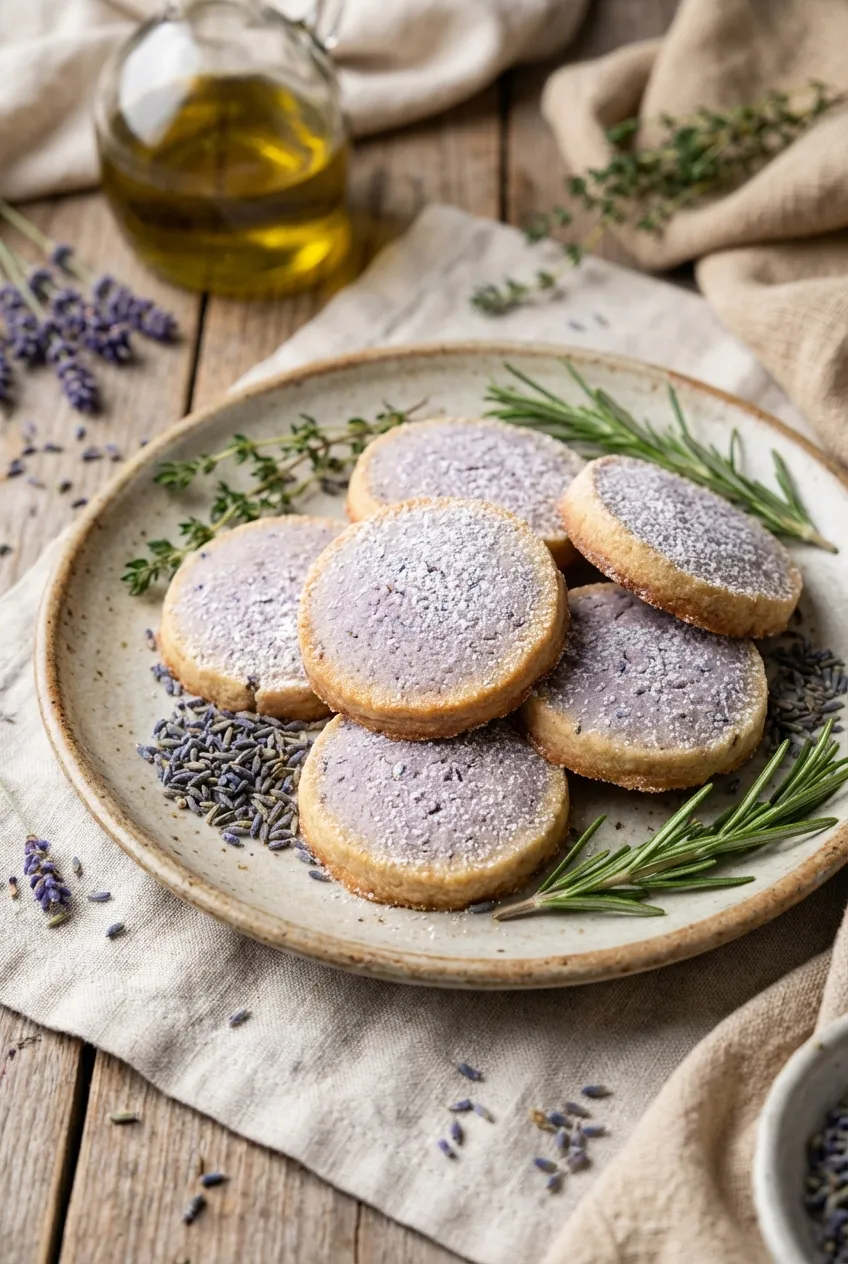
I find myself returning to this recipe every spring, just as the garden starts to wake up. There’s something so calming about the scent of lavender baking in the oven. These shortbread cookies are wonderfully simple, relying on good butter and a delicate floral note to feel truly special. Julia’s note: A little culinary lavender goes a long way; be careful not to add more than the recipe calls for, as the flavor can become soapy.
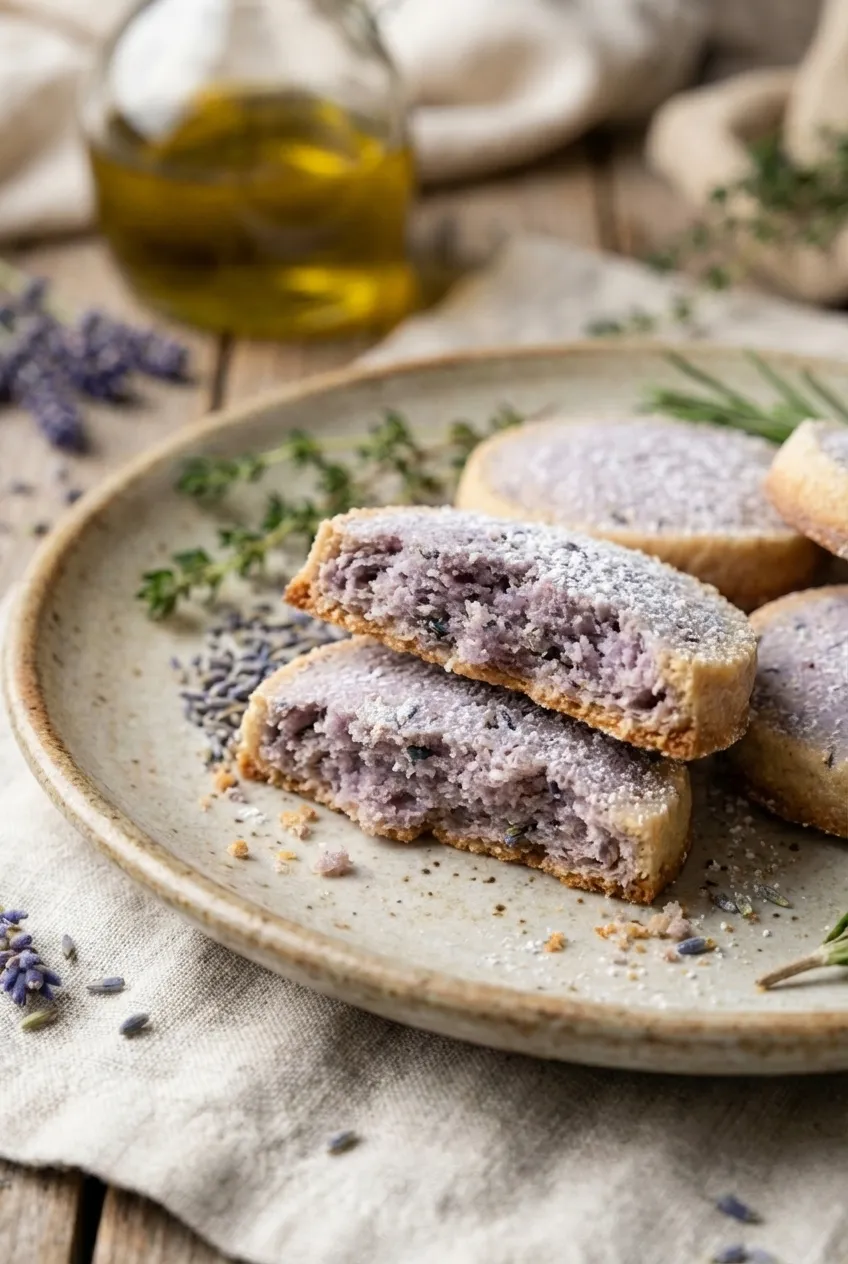
What I love most is their texture: a rich, buttery crumb that melts in your mouth without being overly sweet. They are sturdy enough to pack for a picnic or give as a gift, yet delicate enough to serve with afternoon tea. This recipe is a reliable classic that delivers an elegant treat with minimal effort.
Perfecting the Shortbread Texture
The key to authentic shortbread is its tender, crumbly texture, which comes from the butter. Make sure your butter is properly softened to room temperature—it should give slightly when pressed but not be greasy or melted. Melted butter won’t incorporate air and will result in dense, oily cookies. When you add the flour, mix on the lowest speed and stop as soon as the dough comes together. Over-mixing develops gluten, which is great for bread but creates a tough, chewy cookie instead of the delicate crumb we want for shortbread.
How to Use Culinary Lavender
It’s essential to use culinary-grade lavender, which is grown specifically for consumption and has a sweeter, less potent flavor than ornamental varieties. You can find it in the spice aisle of well-stocked grocery stores or online. Ensure the dried buds are clean and free of stems before adding them to your dough. The warmth from the butter and the baking process will gently release their fragrant oils, infusing the cookies with a subtle floral aroma that isn’t overpowering. If you find the buds too large, you can lightly crush them with a mortar and pestle or the back of a spoon to distribute the flavor more evenly.
Baking Time and Temperature
Shortbread is a delicate cookie that can easily go from perfectly baked to overdone. The low oven temperature of 325°F (165°C) allows the cookies to bake through slowly, setting the dough without excessive browning. Keep a close eye on them during the final few minutes of baking. The perfect visual cue is lightly golden-brown edges while the centers remain pale. Pulling them from the oven at this stage ensures a crisp edge and a tender, buttery interior. They will continue to firm up as they cool on the wire rack.
Recipe Overview
- Prep Time: 15 minutes
- Cook Time: 20 minutes
- Total Time: 35 minutes
- Servings: 24 cookies
- Difficulty: Easy
Ingredients
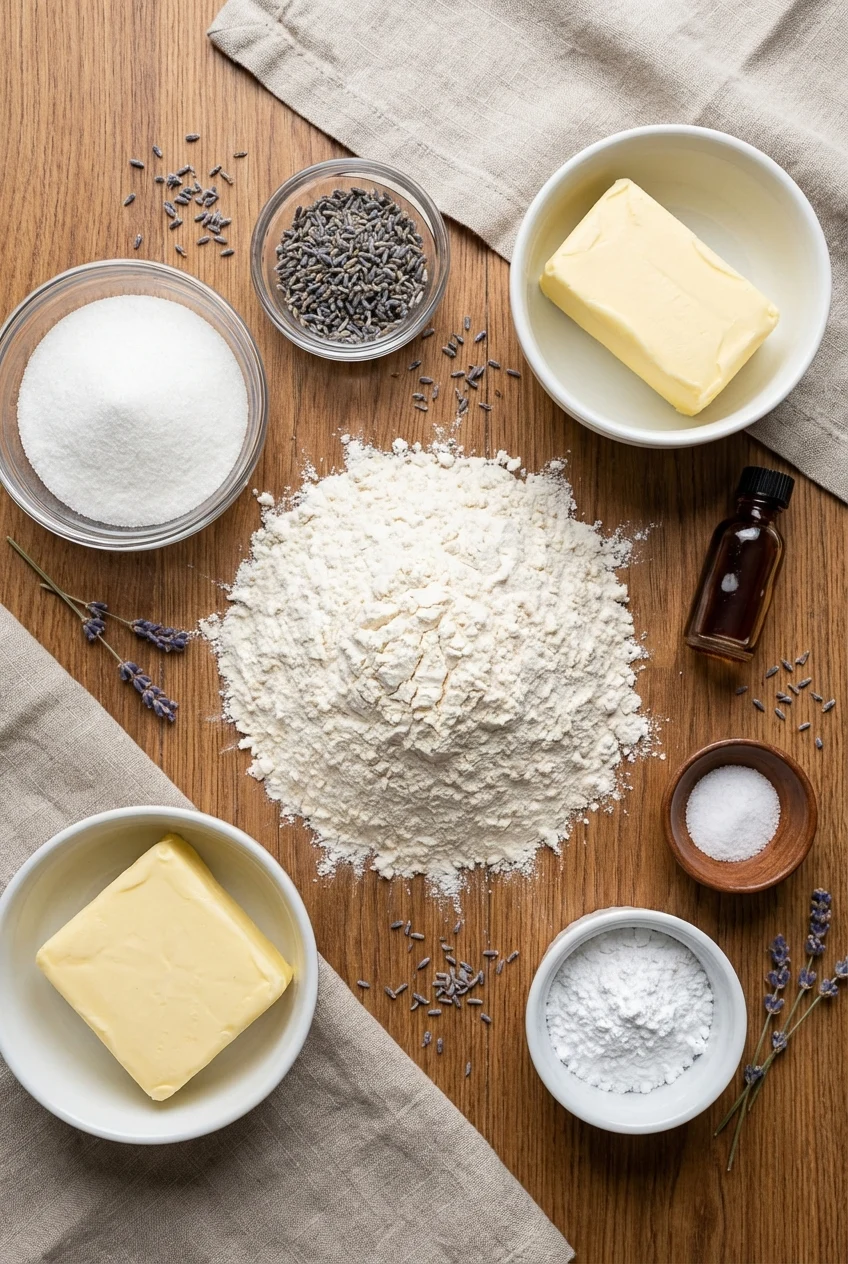
- 227g (1 cup) unsalted butter, softened
- 100g (1/2 cup) granulated sugar
- 240g (2 cups) all-purpose flour
- 5g (1 tablespoon) dried culinary-grade lavender
- 5g (1 teaspoon) vanilla extract
- 1.5g (1/4 teaspoon) salt
- 10g (for dusting) powdered sugar, optional
Step-By-Step Instructions
- Preheat the Oven
Set your oven to 325°F (165°C) and line a baking sheet with parchment paper. A moderate temperature ensures the cookies bake evenly without browning too quickly, preserving their pale color and delicate texture.
- Cream the Butter and Sugar
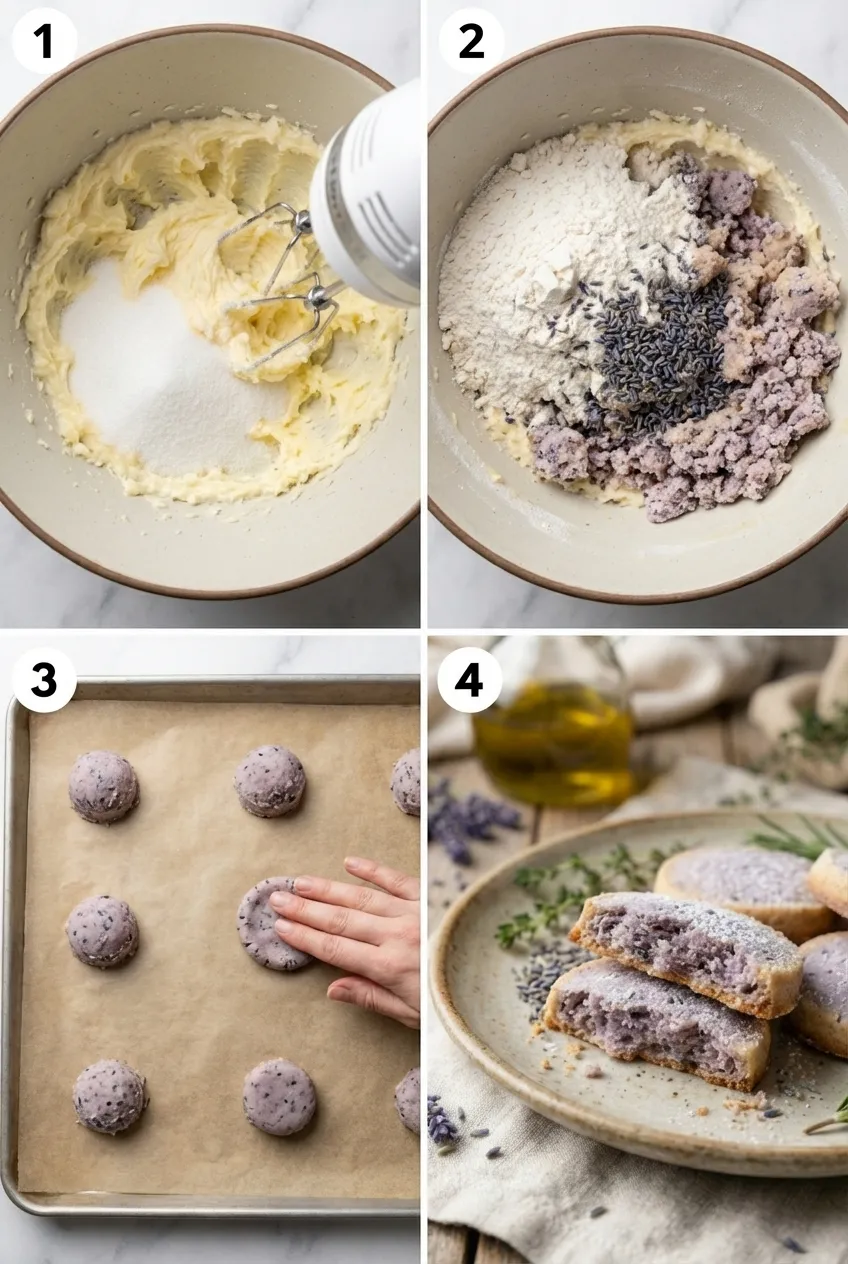
In a large mixing bowl, use a hand mixer or stand mixer to beat the softened butter and granulated sugar together on medium speed for 2-3 minutes. The mixture should become visibly lighter in color, pale and fluffy. This step incorporates air, which contributes to a tender crumb.
- Add Dry Ingredients
Add the all-purpose flour, salt, and dried lavender to the creamed butter mixture. Mix on low speed until just combined. The dough will be soft and a little crumbly, but should hold together when pressed.
- Shape the Cookies
Scoop the dough by the tablespoon and roll it into 1-inch balls. Place the balls on the prepared baking sheet, about 2 inches apart. Gently press each ball with your fingers or the bottom of a glass to form a 1/2-inch thick disk.
- Bake the Cookies
Bake in the preheated oven for 18-20 minutes. The cookies are done when the edges are just beginning to turn a light golden brown. The centers will look pale and might seem slightly underdone, but they will set as they cool.
- Cool and Dust
Let the cookies cool on the baking sheet for 5 minutes before carefully transferring them to a wire rack to cool completely. This prevents them from breaking while they are still warm and soft. If desired, dust with powdered sugar just before serving.
If you enjoy this dish, try our Homemade Cookies from Scratch for a perfect pairing or next-weeknight option.
Substitutions & Variations
- Rosemary-Sea Salt: Replace the lavender with 1 teaspoon of finely chopped fresh rosemary and a pinch of flaky sea salt on top for a savory, herbaceous twist.
- Lemon-Poppy Seed: Omit the lavender and add the zest of one lemon and 1 tablespoon of poppy seeds for a bright, citrusy flavor and a bit of crunch.
- Almond Extract: For a nutty flavor profile, substitute the vanilla extract with 1/2 teaspoon of almond extract.
Make-Ahead, Storage & Reheat
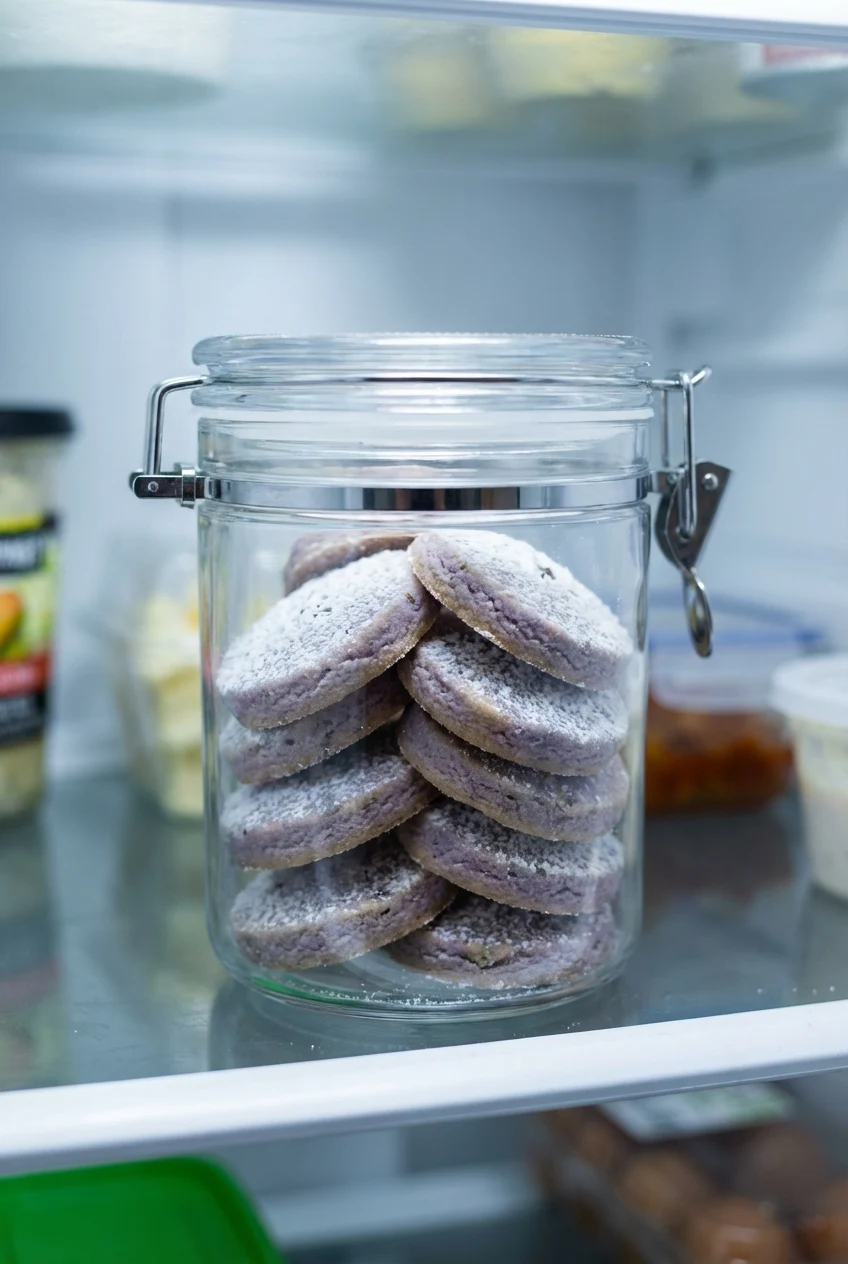
Store cooled cookies in an airtight container at room temperature for up to one week. The dough can also be prepared ahead of time, rolled into a log, and wrapped tightly in plastic wrap. Refrigerate for up to 3 days or freeze for up to 1 month. Simply slice and bake from chilled or frozen, adding a few extra minutes to the baking time. These cookies pair beautifully with a cup of Earl Grey or chamomile tea.
Nutrition
- Serving Size: 1 cookie
- Calories: 90
- Fat: 6g
- Carbohydrates: 10g
- Protein: 1g
Estimates only.
FAQ
Why is my shortbread dough so crumbly and not coming together?
This usually means your butter is too cold to bind with the flour. Let the dough rest at room temperature for 10-15 minutes. This small step helps the fat soften slightly and absorb the dry ingredients, making it easier to work with.
My shortbread turned out tough instead of tender and crumbly. Why?
Toughness comes from developing too much gluten in the flour. Be careful not to overmix the dough; mix just until it comes together. This minimal handling keeps the texture short, delicate, and properly crumbly after baking.
What causes shortbread to feel greasy or oily after it has cooled?
Greasiness often happens when butter gets too warm and separates before baking. Chilling the dough solidifies the fat, ensuring it melts slowly in the oven. This creates steam for a light texture instead of letting the oil pool.
How do I know when shortbread is done? Should it be golden brown?
Aim for a pale, sandy color with only light browning at the edges. Over-baking to a deep golden color can dry out the cookie, making it hard instead of tender. The center should look set and feel firm but not soft to the touch.
Can I substitute granulated sugar for the powdered sugar in this recipe?
Yes, but it will change the texture. Powdered sugar contains cornstarch, which helps create a very fine, melt-in-your-mouth crumb. Granulated sugar will result in a slightly crisper, sandier cookie. Both options work well.
I've heard cornstarch can improve shortbread. Should I add some?
Cornstarch can create an even more tender, crumbly texture. It works by lowering the flour's overall protein content, which reduces gluten development for a shorter bite. If you try it, substitute a small portion of the all-purpose flour.
How well do baked shortbread cookies freeze for long-term storage?
These cookies freeze beautifully. To prevent them from sticking together, first freeze them in a single layer on a baking sheet until solid. Then, transfer them to a freezer-safe bag or container. They will keep well for up to three months.
Is chilling the dough really necessary before baking the shortbread?
Yes, chilling is a critical step for texture. It solidifies the butter, which prevents the cookies from spreading too much in the oven. This helps you get a thick, tender cookie with clean, well-defined edges instead of a thin, crispy one.
Equipment
- Oven
- Baking sheet
- Parchment paper
- Large mixing bowl
- Hand mixer or stand mixer
- Measuring cups and spoons
- Wire rack
- Mortar and pestle (optional)
Ingredients
- 227 g (1 cup) unsalted butter softened
- 100 g (1/2 cup) granulated sugar
- 240 g (2 cups) all-purpose flour
- 5 g (1 tablespoon) dried culinary-grade lavender
- 5 g (1 teaspoon) vanilla extract
- 1.5 g (1/4 teaspoon) salt
- 10 g powdered sugar for dusting, optional
Instructions
- Preheat the oven to 325°F (165°C) and line a baking sheet with parchment paper.
- Beat the softened butter and granulated sugar together on medium speed for 2–3 minutes until pale and fluffy.
- Add the flour, salt, and dried lavender and mix on low speed until just combined.
- Scoop the dough by the tablespoon and roll into 1-inch balls; place 2 inches apart on the baking sheet and gently press into 1/2-inch thick disks.
- Bake for 18–20 minutes until edges are lightly golden and centers remain pale.
- Let cool on the baking sheet for 5 minutes, then transfer to a wire rack to cool completely.
- Dust with powdered sugar before serving if desired.
