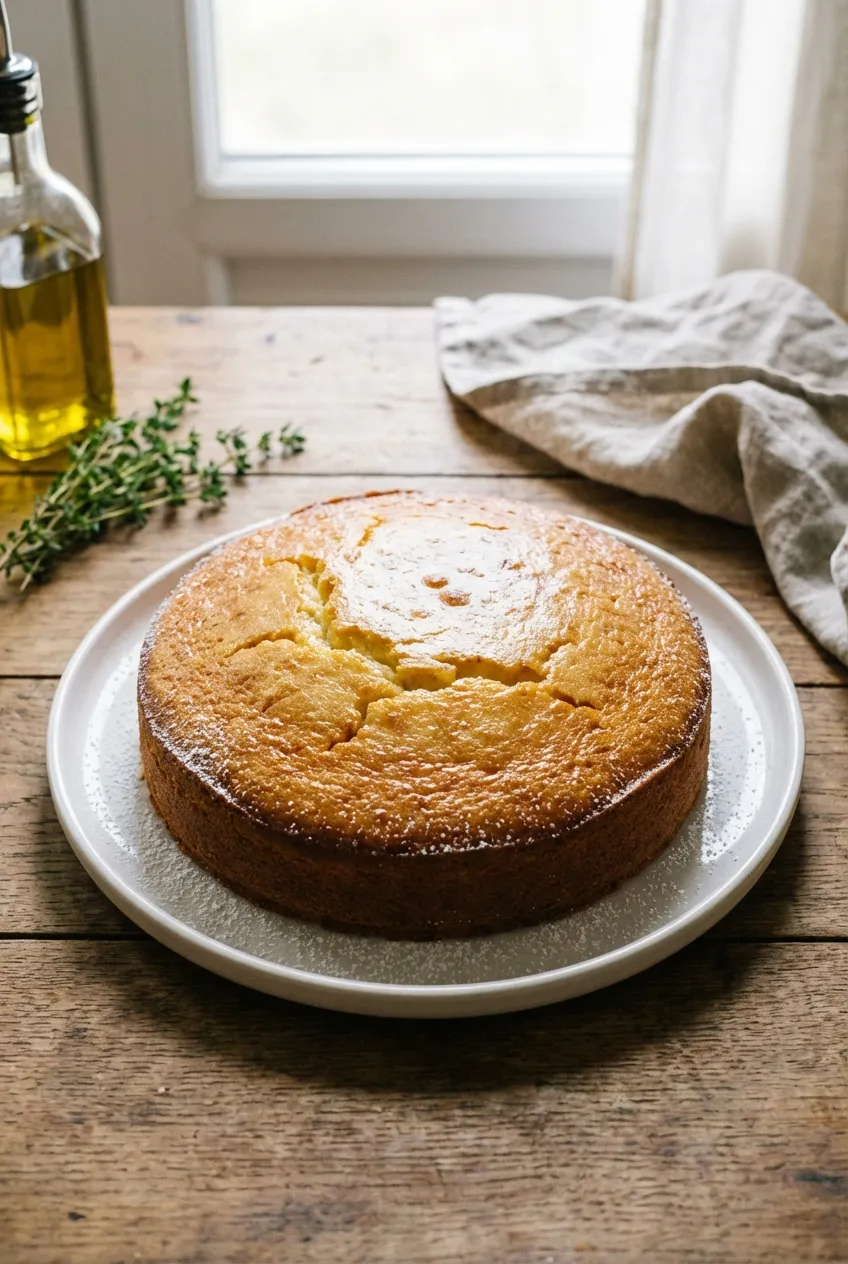
This is one of the first cakes I learned to bake, and its simple charm keeps me coming back. Gâteau au Yaourt, or French Yogurt Cake, is a lesson in how a few humble ingredients can create something truly comforting. It’s the kind of recipe passed down through generations, often measured using the yogurt container itself, which I’ve always loved.
What makes this cake so reliable is the yogurt, which guarantees a tender, moist crumb every time. It comes together in one bowl with a whisk, making it perfect for a weeknight treat or a simple weekend bake. The flavor is light and delicate, with a lovely tang that pairs beautifully with fresh fruit or a simple dusting of powdered sugar.
Why Yogurt Makes This Cake So Moist
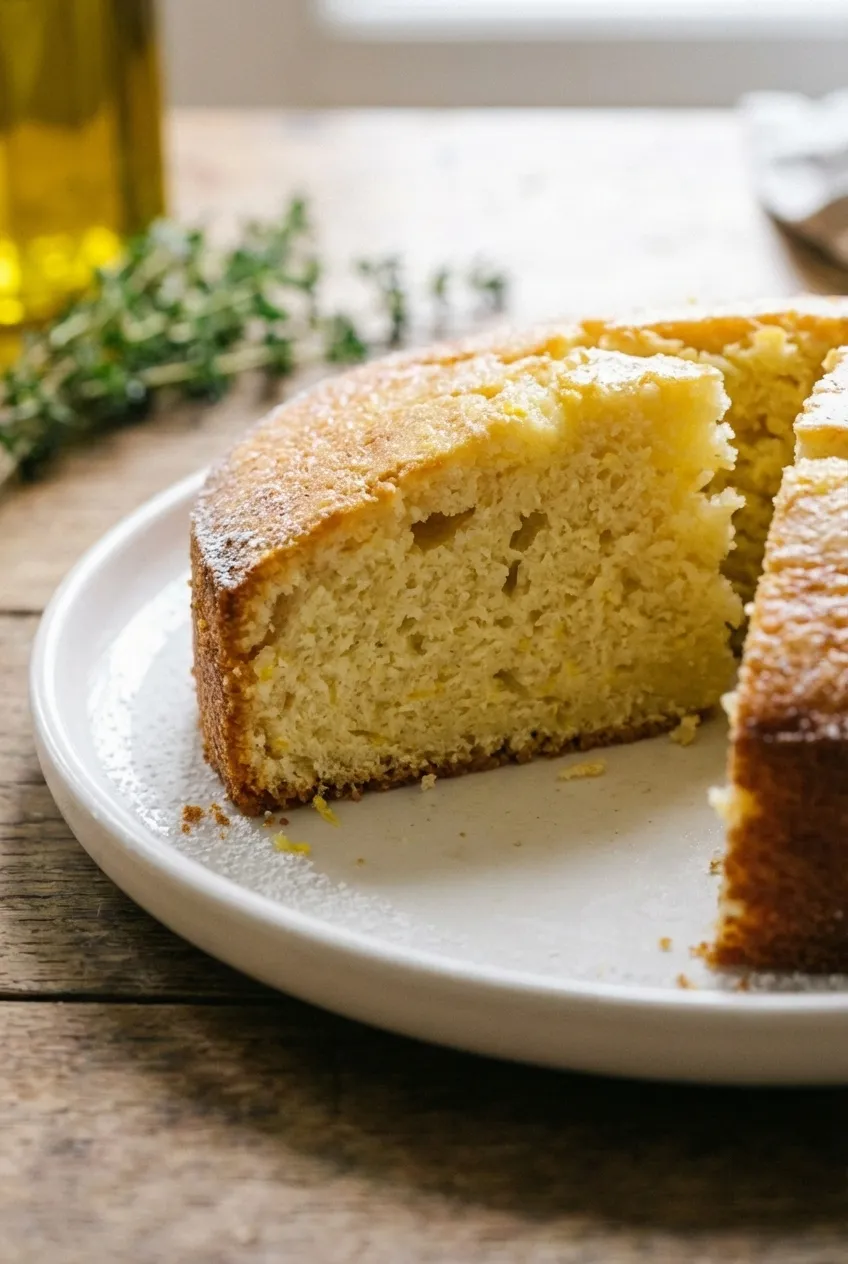
The key to this cake’s wonderfully tender texture is the yogurt. Its acidity works to tenderize the gluten in the flour, which results in a softer, finer crumb than a cake made with only milk or butter. The fat content in whole-milk yogurt also adds richness and moisture. To preserve this delicate structure, be sure not to overmix the batter once you combine the wet and dry ingredients. A few streaks of flour are perfectly fine; mixing until just combined is all you need. This gentle handling ensures the cake bakes up light and fluffy rather than tough or dense.
Simple Ways to Enhance Flavor
While this cake is delicious on its own, it’s a wonderful canvas for other flavors. The recipe calls for lemon zest, which is a classic addition that brightens the yogurt’s tang beautifully. You could just as easily use orange zest for a warmer citrus note. For a different profile, try swapping the vanilla extract for a half-teaspoon of almond extract, which adds a lovely, nutty aroma. During cooler months, a quarter-teaspoon of ground cinnamon or cardamom stirred into the dry ingredients can add a gentle, warming spice that complements the simple batter.
Key Techniques for a Perfect Bake
Reliable baking comes down to a few key details. First, always position your oven rack in the center. This ensures the cake is surrounded by even heat, preventing the bottom from burning before the top is cooked through. Second, resist the urge to open the oven door while it bakes, as the rush of cool air can cause the cake to fall. When you think it’s done, test it at the 30-minute mark. A long toothpick or skewer inserted into the center should come out clean or with a few moist crumbs attached. If it comes out with wet batter, it needs a few more minutes.
Recipe Overview
- Prep Time: 10 minutes
- Cook Time: 30 minutes
- Total Time: 40 minutes
- Servings: 8 slices
- Difficulty: Easy
Ingredients
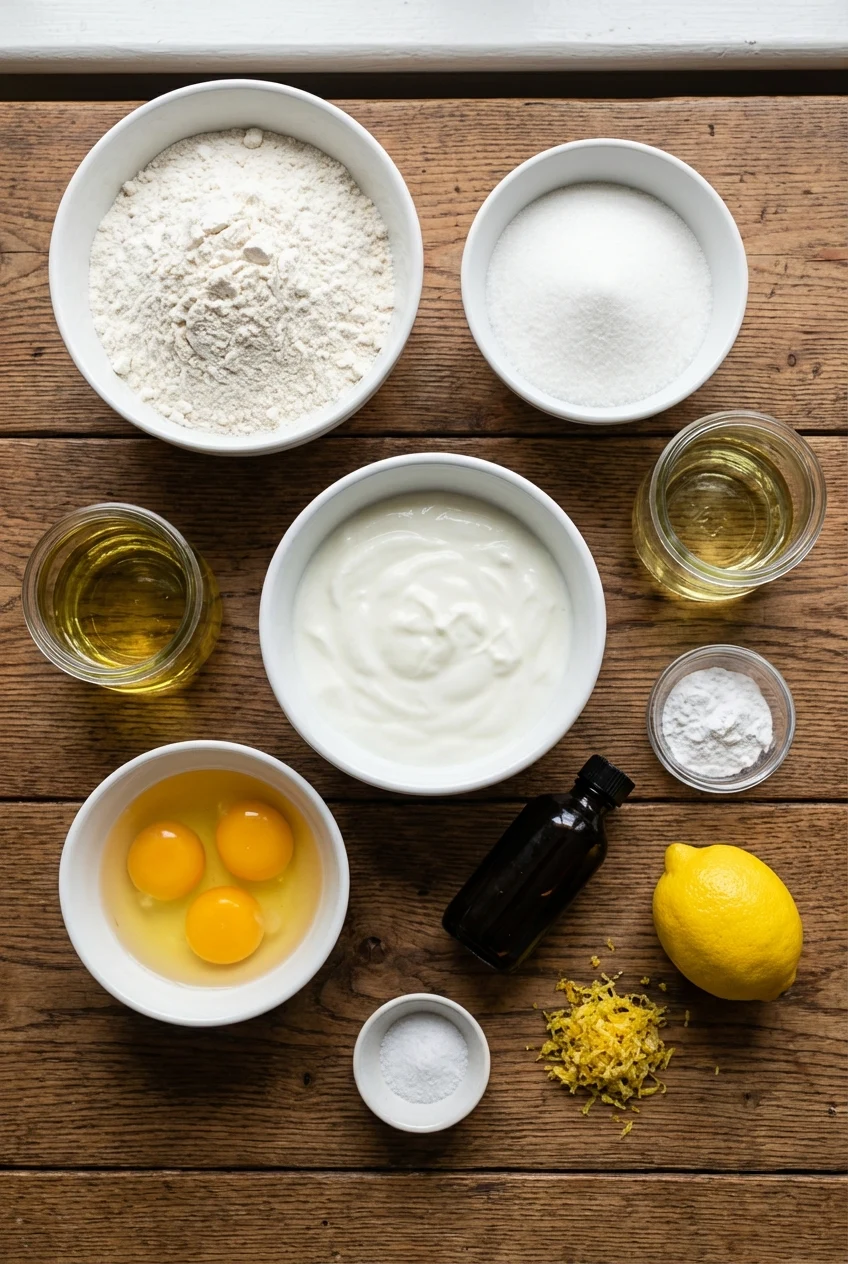
- 245g (1 cup) plain yogurt
- 240g (2 cups) all-purpose flour
- 200g (1 cup) granulated sugar
- 150g (3) large eggs
- 120g (1/2 cup) vegetable oil
- 14g (1 tablespoon) baking powder
- 5g (1 teaspoon) vanilla extract
- 1g (1/4 teaspoon) salt
- Zest of 1 lemon (optional)
Step-By-Step Instructions
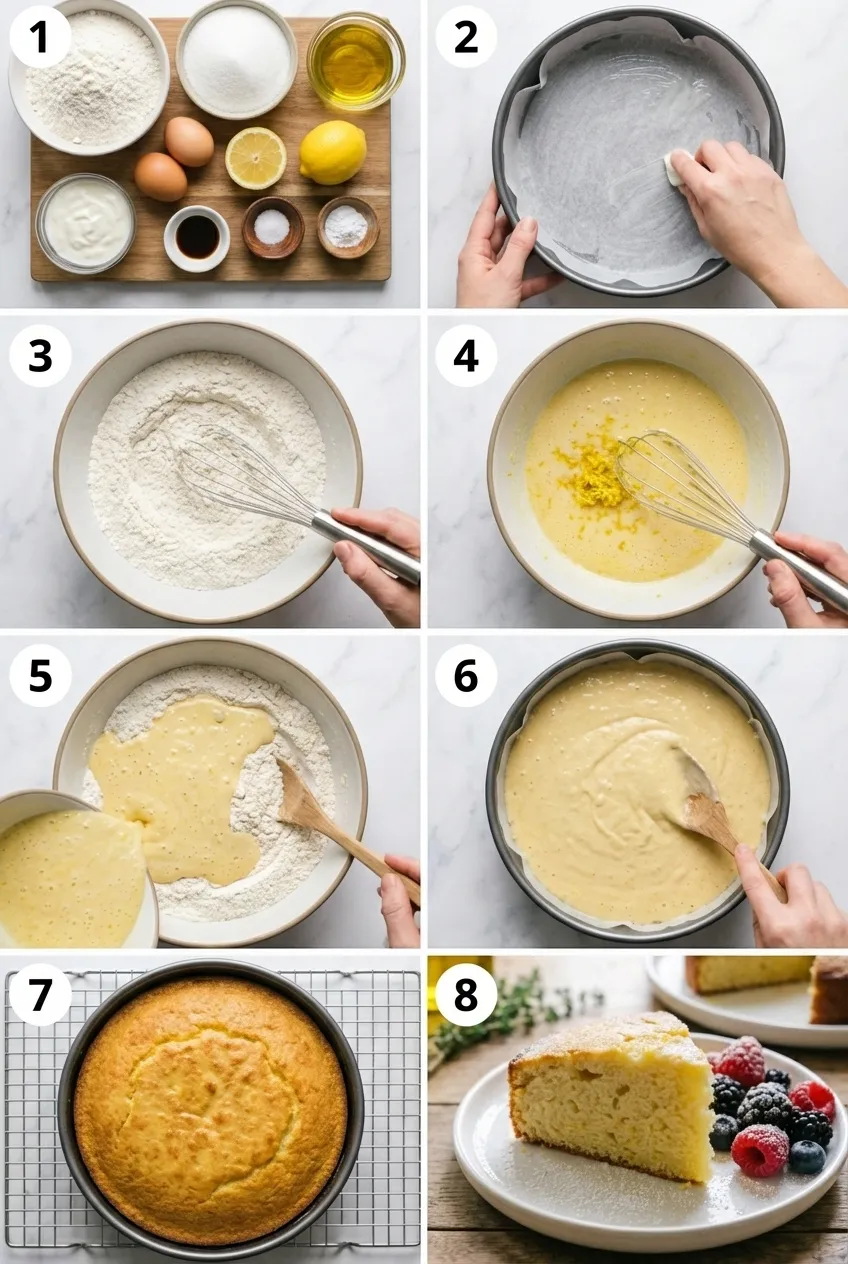
- Prepare the Oven
Preheat your oven to 350°F (175°C). Grease a standard 9-inch (23 cm) cake pan with butter or non-stick spray. Line the bottom with parchment paper for the easiest removal.
- Mix Dry Ingredients
In a large mixing bowl, combine the flour, baking powder, and salt. Whisk them together until well blended. This step ensures the baking powder is evenly distributed for a consistent rise.
- Blend Wet Ingredients
In another bowl, whisk the yogurt, sugar, oil, eggs, and vanilla extract until smooth and well combined. If using lemon zest, stir it in now to infuse its flavor into the wet base.
- Combine Mixtures
Slowly pour the wet ingredients into the dry ingredients. Use a spatula to stir until just combined. Be careful not to overmix; a few small lumps in the batter are perfectly fine.
- Pour and Smooth Batter
Pour the batter into the prepared cake pan. Use a spatula to smooth the top into an even layer, which helps the cake bake flat.
- Bake the Cake
Bake in the preheated oven for 30 to 35 minutes. The cake is done when a toothpick inserted into the center comes out clean and the top is a deep golden brown.
- Cool the Cake
Allow the cake to cool in the pan on a wire rack for about 10 minutes. Then, run a knife around the edges before carefully inverting it onto the rack to cool completely. This prevents it from getting soggy.
- Serve
Once completely cooled, slice the cake and serve. It pairs wonderfully with fresh berries, a dollop of whipped cream, or a simple dusting of powdered sugar.
If you enjoy this dish, try our Crème Brûlée for a perfect pairing or next-weeknight option.
Substitutions & Variations
- Add Fruit: Gently fold in 1 cup of fresh or frozen blueberries or raspberries into the final batter for a burst of fruit flavor.
- Richer Flavor: Swap the vegetable oil with an equal amount of melted unsalted butter for a richer, more decadent taste.
- Denser Crumb: Use Greek yogurt instead of plain yogurt. This will result in a slightly denser and tangier cake.
Make-Ahead, Storage & Reheat
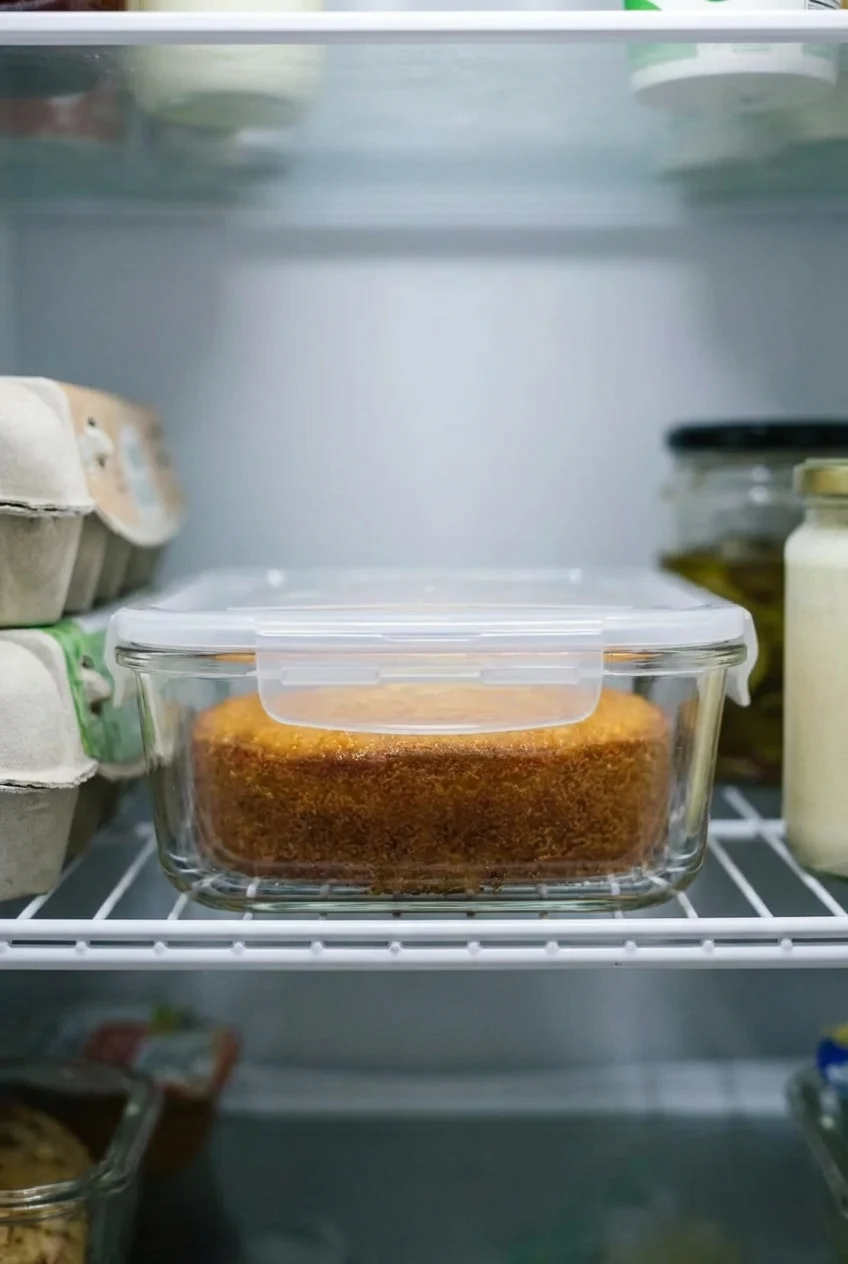
Store the cake in an airtight container at room temperature for up to 3 days. For longer storage, you can refrigerate it for up to a week. Enjoy it cold directly from the fridge or allow slices to sit at room temperature for about 20 minutes before serving.
Nutrition
- Serving: 1 slice
- Calories: 260 kcal
- Protein: 6g
- Fat: 10g
- Carbohydrates: 36g
- Per 100g: 250 kcal, 5g protein, 9g fat, 34g carbohydrates
Estimates only.
FAQ
My cake sank in the middle after baking. What did I do wrong?
A sunken center is often caused by underbaking or opening the oven door too early, which lets heat escape. Always check for doneness with a skewer before removing it.
Why did my cake turn out dense instead of having a lighter crumb?
Using a very thick yogurt, like Greek-style, can make the crumb denser because it has less water. For a lighter texture, stick with a standard, thinner plain yogurt.
How would using sour cream instead of yogurt change the final cake?
Sour cream will give you a richer, more tender cake due to its higher fat content. The flavor will be similarly tangy, but the overall result will feel more decadent.
Can I use a dairy-free yogurt like coconut or almond in this recipe?
You can, but expect a slight texture change. Dairy-free yogurts have different fat and protein levels, so the crumb might be less tender or have a subtle flavor shift.
What is the best way to make this cake with gluten-free flour?
Use a 1-to-1 gluten-free baking flour containing xanthan gum, as it helps mimic gluten's structure. The texture might be a little denser but should still be delicious.
How important is it to avoid over-mixing the batter for this cake?
It's very important. Over-mixing develops the gluten in the flour, which will make your cake tough and rubbery instead of tender. Just mix until no dry streaks remain.
Can I use a vanilla or lemon yogurt instead of using a plain one?
Yes, a flavored yogurt works well and adds a nice background note. Just be aware that it contains added sugar, so the final cake will be noticeably sweeter than intended.
Can I freeze this cake for later, and how should I properly thaw it?
Yes, this cake freezes beautifully. Wrap the cooled cake tightly in plastic wrap, then foil, as this prevents freezer burn. Thaw it on the counter for a few hours.
Equipment
- 1 Standard 9-inch (23 cm) cake pan
- 1 Large mixing bowl
- 1 Small mixing bowl
- Whisk
- Spatula
- Parchment paper
- Oven
Ingredients
- 245 g (1 cup) Plain yogurt
- 240 g (2 cups) All-purpose flour
- 200 g (1 cup) Granulated sugar
- 150 g (3) Large eggs
- 120 g (1/2 cup) Vegetable oil
- 14 g (1 tablespoon) Baking powder
- 5 g (1 teaspoon) Vanilla extract
- 1 g (1/4 teaspoon) Salt
- 1 Lemon zest (optional)
Instructions
- Preheat your oven to 350°F (175°C) and grease a standard 9-inch (23 cm) cake pan with butter or non-stick spray. Line the bottom with parchment paper.
- In a large mixing bowl, whisk together the flour, baking powder, and salt until well blended.
- In another bowl, whisk the yogurt, sugar, oil, eggs, and vanilla extract until smooth. Stir in lemon zest if using.
- Slowly pour the wet ingredients into the dry ingredients and stir with a spatula until just combined. Do not overmix.
- Pour the batter into the prepared cake pan and smooth the top evenly.
- Bake for 30 to 35 minutes until a toothpick inserted into the center comes out clean and the top is golden brown.
- Let the cake cool in the pan on a wire rack for about 10 minutes. Run a knife around the edges, invert, and cool completely on the rack.
- Slice and serve with fresh berries, whipped cream, or powdered sugar if desired.
