Introduction
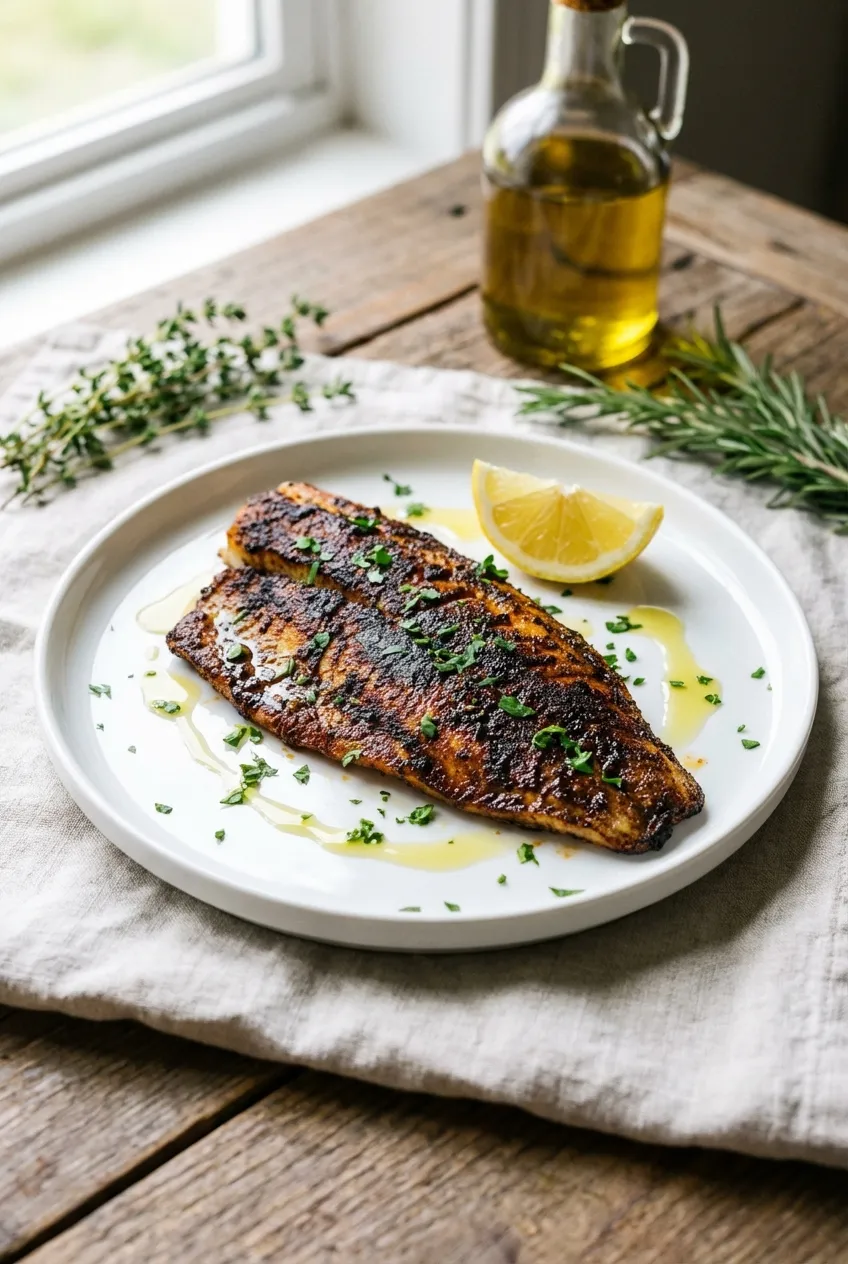
I turn to this blackened catfish recipe on warm evenings when I want a meal packed with flavor without spending an hour over the stove. The bold, smoky spice of the Cajun seasoning and the perfectly flaky fish bring back memories of my restaurant days, but the technique is surprisingly simple for a home kitchen. It’s a satisfying, high-protein dinner that feels special enough for guests but comes together fast enough for any weeknight.
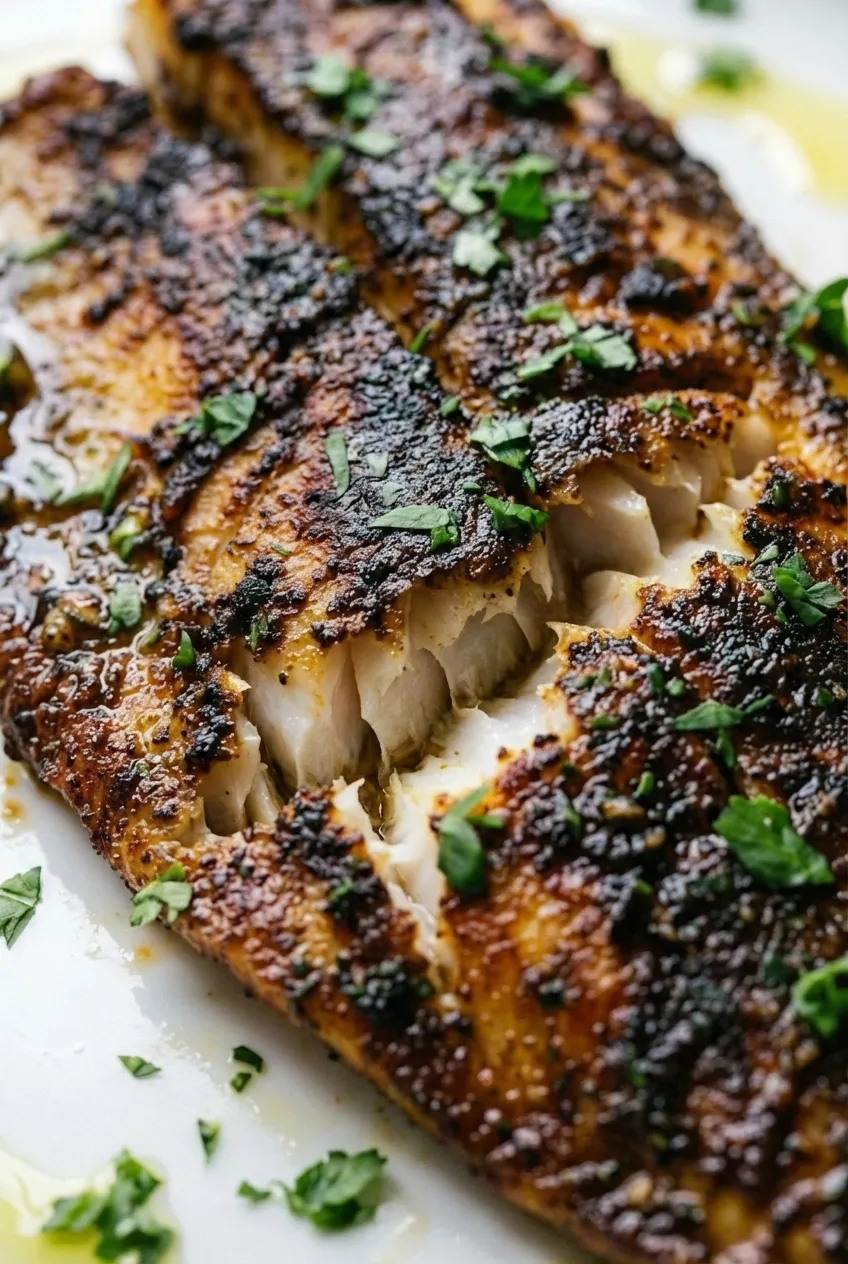
This recipe is all about technique. By using a very hot cast iron skillet, you create a distinctively dark, flavorful crust on the fish that isn’t burnt—it’s “blackened.” The process is quick, locking in the moisture and leaving the catfish tender and juicy. It’s a reliable way to get fantastic results with just a few accessible ingredients.
The Art of Blackening
The key to a beautiful blackened crust is high, even heat and a dry surface. A cast iron skillet is the best tool for this job because it retains heat exceptionally well, ensuring a powerful sear the moment the fish makes contact. Before you even think about seasoning, make sure your catfish fillets are patted completely dry with paper towels; this prevents steaming and helps the spices form a crust. When you apply the seasoning, press it gently into the fish. This helps it adhere, creating a uniform coating that will char evenly into a deep, mahogany-colored crust full of concentrated flavor.
Balancing Spice and Flavor
Cajun seasoning is a bold blend, and its heat level can vary significantly between brands. If you’re sensitive to spice, look for a milder store-bought version or make your own blend where you can control the amount of cayenne pepper. You can also temper the heat by adding a bit more smoked paprika or dried herbs like oregano and thyme to your seasoning mix. The final squeeze of fresh lemon juice is not just a garnish; its acidity cuts through the richness and spice, brightening the entire dish. Don’t skip it, as it provides a necessary, refreshing contrast.
Choosing the Right Pan
For authentic results, a well-seasoned cast iron skillet is your best friend. It gets screaming hot and stays that way, which is essential for the blackening process. The retained heat instantly sears the spices and the surface of the fish, creating that signature crust. If you don’t have one, a heavy-bottomed stainless steel or carbon steel pan is the next best choice. A non-stick skillet can work in a pinch, but be aware that you may not be able to achieve the same high heat safely, and the resulting crust might be less dark and pronounced. Regardless of the pan, proper preheating is non-negotiable.
Recipe Overview
- Prep Time: 10 minutes
- Cook Time: 15 minutes
- Total Time: 25 minutes
- Servings: 4
- Difficulty: Medium
Ingredients
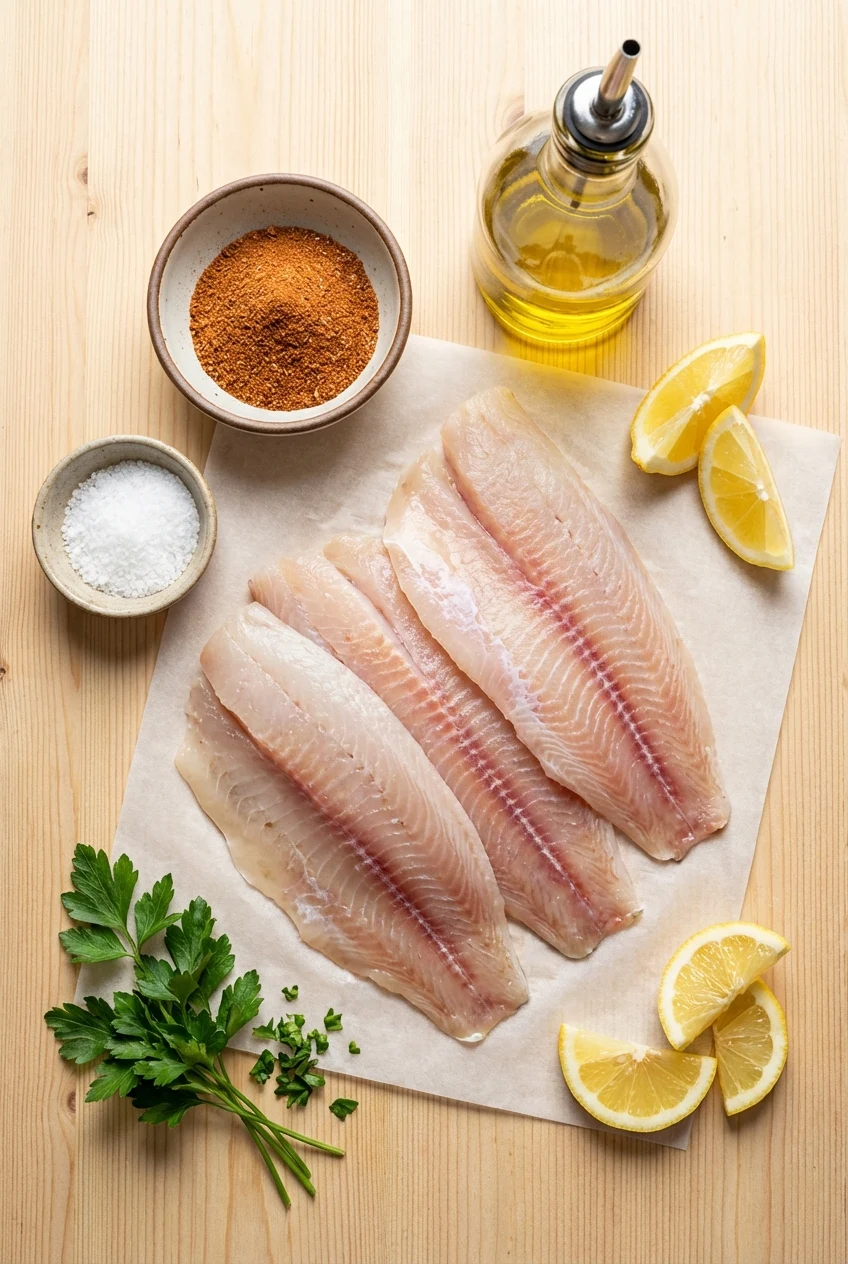
- 680g (4) catfish fillets, about 6 oz each
- 26g (3 tablespoons) Cajun seasoning, store-bought or homemade
- 41g (3 tablespoons) olive oil, for brushing
- 6g (1 teaspoon) salt, optional, to taste
- 58g (1) lemon, cut into wedges
- 8g (2 tablespoons) fresh parsley, chopped for garnish
Step-By-Step Instructions
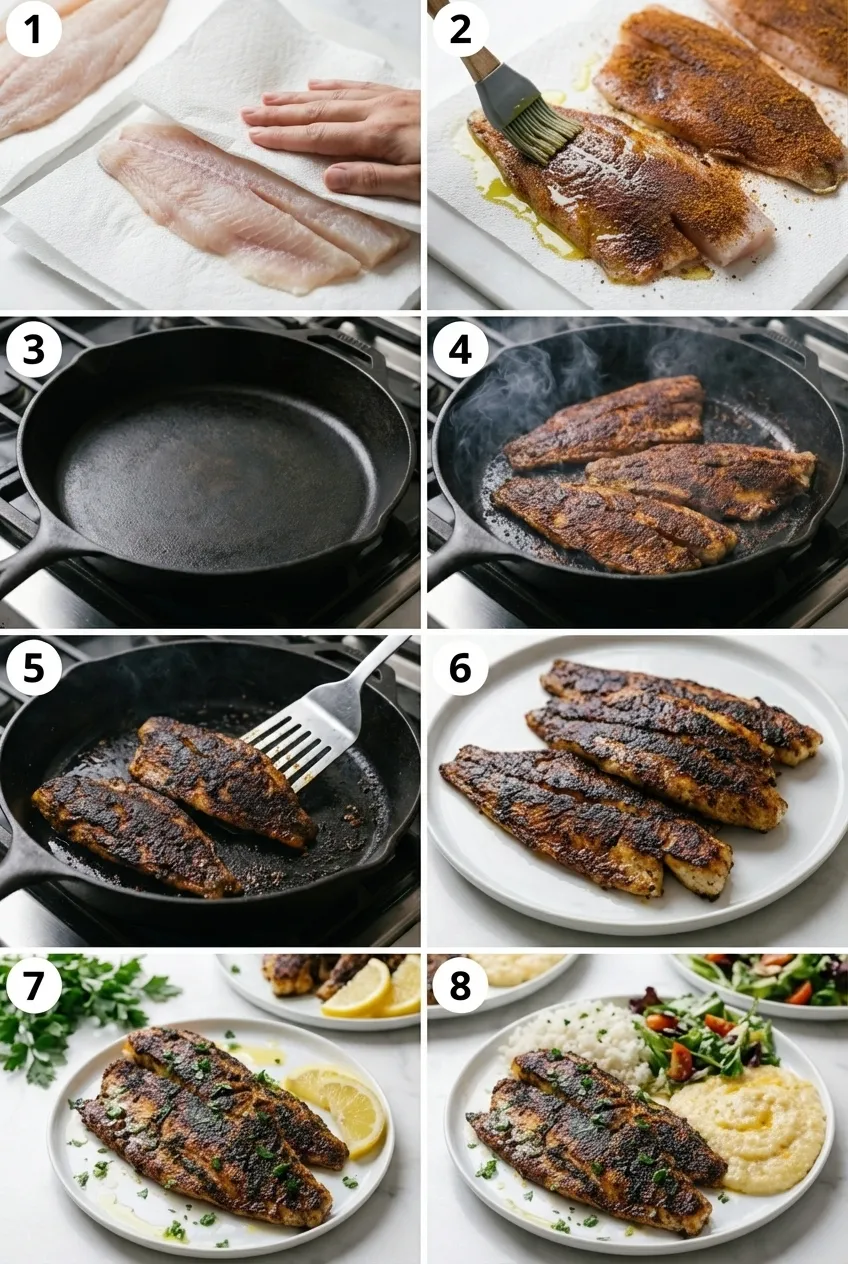
- Prepare the fish
Pat the catfish fillets completely dry with paper towels. A dry surface is crucial for helping the seasoning adhere and ensuring a good sear. Sprinkle them evenly on both sides with salt, if using.
- Season the fillets
Brush both sides of the fillets with olive oil. Generously coat them all over with the Cajun seasoning, pressing lightly with your fingers to ensure the spices adhere well to the fish.
- Preheat the skillet
Heat a 12-inch cast iron skillet over medium-high heat for about 3–4 minutes. The pan is ready when a drop of water flicked onto the surface sizzles and evaporates instantly. Good ventilation is key here, as this process will create smoke.
- Sear the catfish
Carefully place the seasoned fillets into the hot skillet, leaving space between them. Cook without moving for 3–4 minutes. The goal is to develop a dark, almost black, charred crust on the bottom.
- Flip and finish
Use a thin metal spatula to carefully flip the fillets. Cook for an additional 3–4 minutes on the second side, until the fish is cooked through and opaque. It should flake easily when tested with a fork.
- Rest the fish
Immediately transfer the cooked fillets to a clean plate. Let them rest for a minute or two; this allows the juices to redistribute, keeping the fish moist.
- Plate and garnish
Arrange the blackened catfish on serving plates. Garnish with a sprinkle of fresh, chopped parsley and serve with lemon wedges on the side for squeezing over the top.
- Serve and enjoy
Serve immediately for the best texture and flavor. This dish pairs wonderfully with rice, grits, or a crisp green salad to balance the smoky spices.
Substitutions & Variations
- Fish Swap: Tilapia, cod, or redfish can be used instead of catfish. Adjust cooking time based on the thickness of the fillet.
- Oil Choice: For a higher smoke point, use avocado oil or ghee instead of olive oil for brushing the fish.
- Extra Heat: If your Cajun seasoning isn’t spicy enough, add ¼ to ½ teaspoon of cayenne pepper to the blend before coating the fish.
- Cooling Side: Serve with a creamy coleslaw or a dollop of tartar sauce for a refreshing contrast to the spice.
If you enjoy this dish, try our Baked Chicken and Veggie Meal Prep for a perfect pairing or next-weeknight option.
Make-Ahead, Storage & Reheat
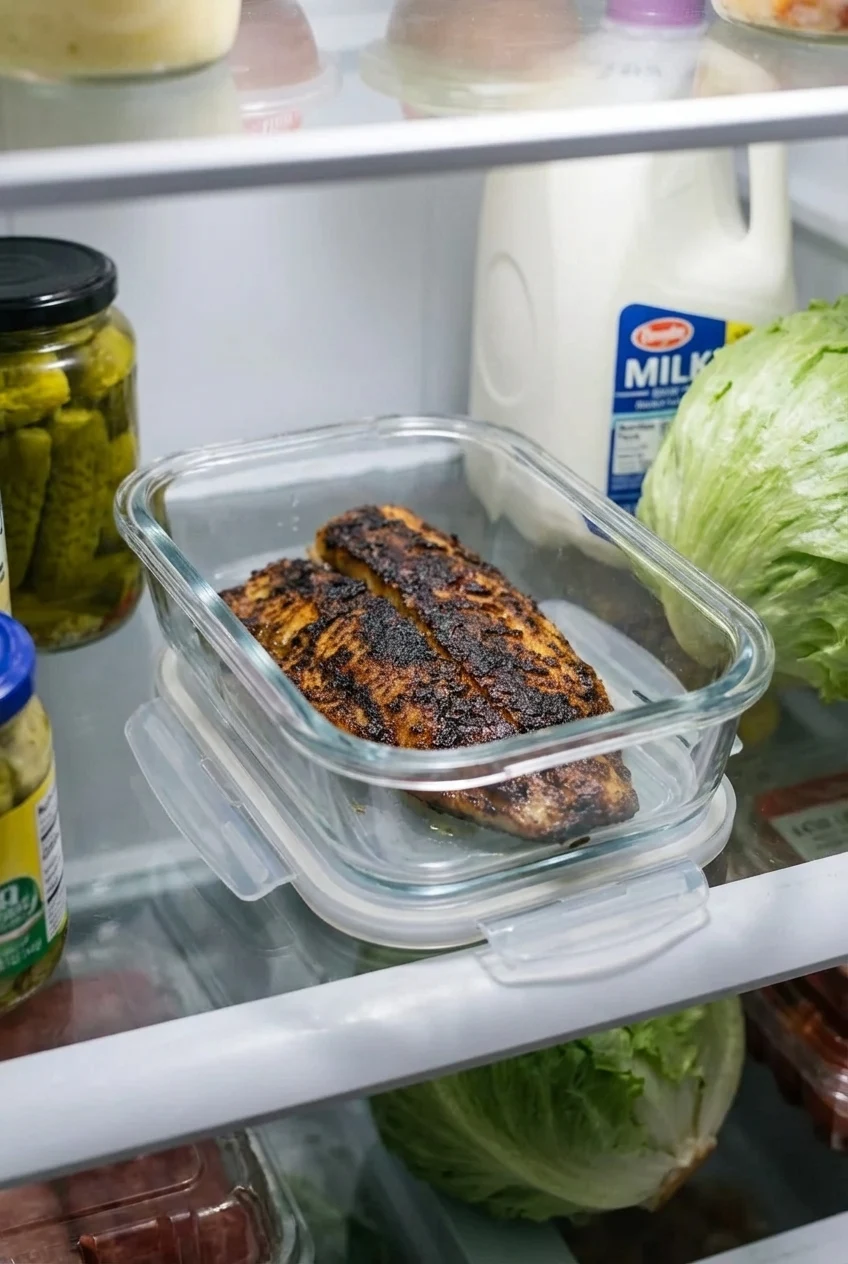
Store leftover catfish in an airtight container in the refrigerator for up to 2 days. To reheat, warm it gently in a skillet over low heat or in a 300°F / 150°C oven for a few minutes until just warmed through. Avoid the microwave, as it can make the fish rubbery.
Nutrition
- Serving Size: 1 fillet
- Calories: 300
- Protein: 28g
- Fat: 20g
- Carbohydrates: 2g
- Per 100g: Calories: 180, Protein: 18g, Fat: 12g, Carbs: 1g
- Estimates only.
FAQ
My catfish is sticking to the pan and falling apart. What can I do?
Your pan needs to be hotter before you add the fish. A properly preheated pan instantly sears the crust, which allows the fillet to release cleanly. Be patient and avoid moving it too soon.
Is a cast iron skillet absolutely essential for this blackened catfish?
Cast iron holds high, even heat best for a great crust. A heavy stainless steel pan is a good second choice. I would avoid non-stick pans because the high heat required can damage their coating.
Besides timing, what are the best signs my catfish is fully cooked?
Look for the flesh to turn opaque all the way through. You can test it by gently inserting a fork into the thickest part. If it flakes easily without resistance, it's ready to come off the heat.
Can I apply the Cajun seasoning to the fish fillets hours ahead of time?
It's best to season just before cooking. The salt in the blend can draw moisture from the fish over time, which can prevent you from getting that essential dry surface needed for a good sear.
Why did my seasoning crust get soggy instead of developing a dark sear?
This usually happens if the pan isn't hot enough or if the fillets are too close together. High heat is key for the spices to toast and form a crust. Make sure you see a light smoke first.
What’s the most effective way to make this recipe for a larger group?
Cook in batches to avoid overcrowding the pan, which lowers the temperature and causes the fish to steam instead of sear. You can keep the finished fillets warm in a low oven on a wire rack.
Does the thickness of the catfish fillet really make a difference here?
Yes, it’s quite important. Thinner fillets cook very quickly and are great for this high-heat method. Thicker pieces may require finishing in the oven so the outside doesn't burn before the inside is cooked.
How well does this cooked blackened catfish hold up after being frozen?
You can freeze it, but the texture will change. The crust won't be as crisp after thawing and reheating. For best results, I'd recommend enjoying it fresh within a couple of days of cooking.
Equipment
- 12-inch cast iron skillet
- Paper towels
- Thin metal spatula
- Serving plates
Ingredients
- 680 g Catfish fillets (4 fillets, about 6 oz each)
- 26 g Cajun seasoning store-bought or homemade
- 41 g Olive oil for brushing
- 6 g Salt optional, to taste
- 58 g Lemon cut into wedges
- 8 g Fresh parsley chopped for garnish
Instructions
- Pat the catfish fillets completely dry with paper towels to ensure a dry surface for seasoning.
- Sprinkle both sides of the fillets evenly with salt, if using.
- Brush both sides of the fillets with olive oil.
- Generously coat the fillets all over with the Cajun seasoning, pressing lightly to adhere the spices.
- Heat a 12-inch cast iron skillet over medium-high heat for about 3–4 minutes until a drop of water sizzles and evaporates instantly.
- Place the seasoned fillets in the hot skillet with space between them; cook without moving for 3–4 minutes until a dark crust forms.
- Flip the fillets carefully with a thin metal spatula and cook for another 3–4 minutes until cooked through and opaque.
- Transfer the cooked fillets to a clean plate and let them rest for 1–2 minutes to redistribute juices.
- Plate the catfish, garnish with fresh chopped parsley, and serve with lemon wedges on the side.
- Serve immediately for best texture and flavor, pairing well with rice, grits, or a green salad.
