

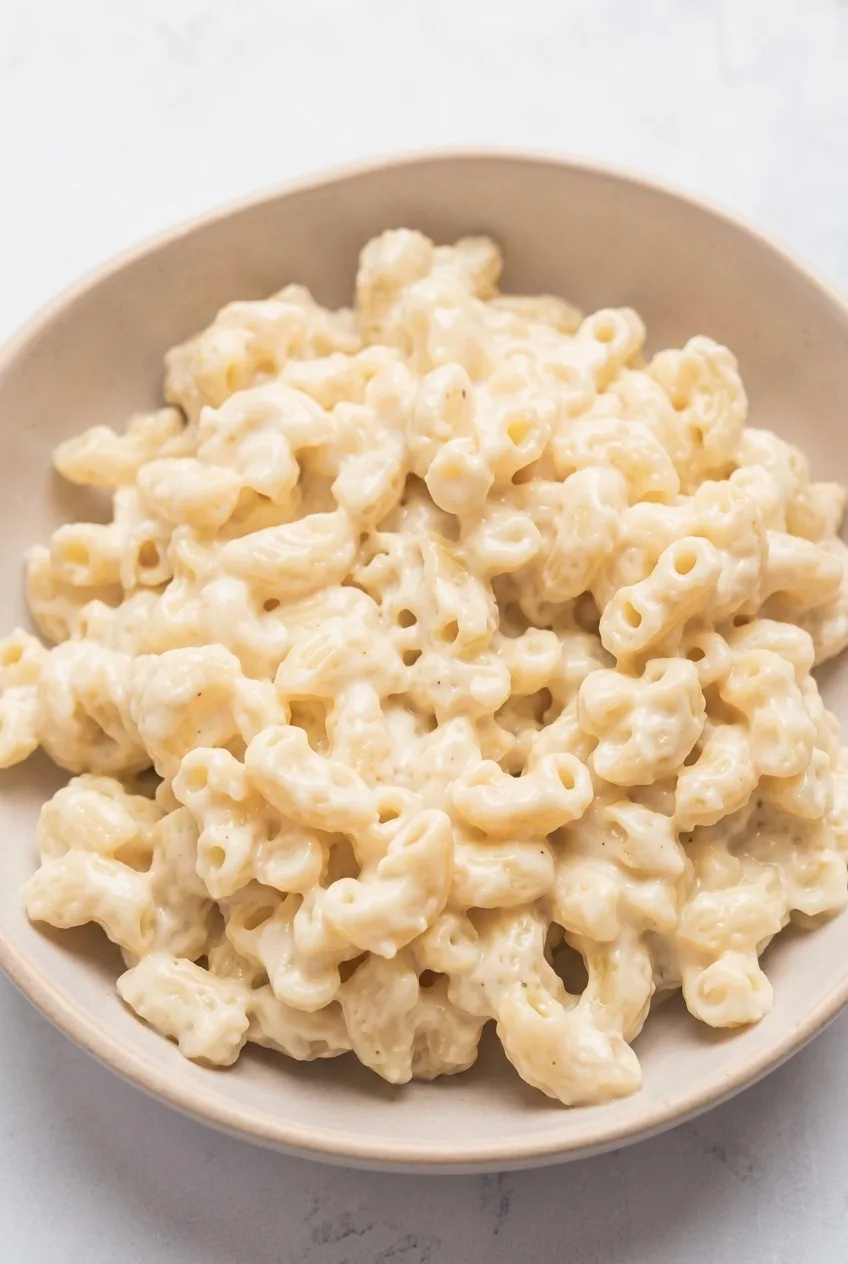
White Cheddar Mac and Cheese
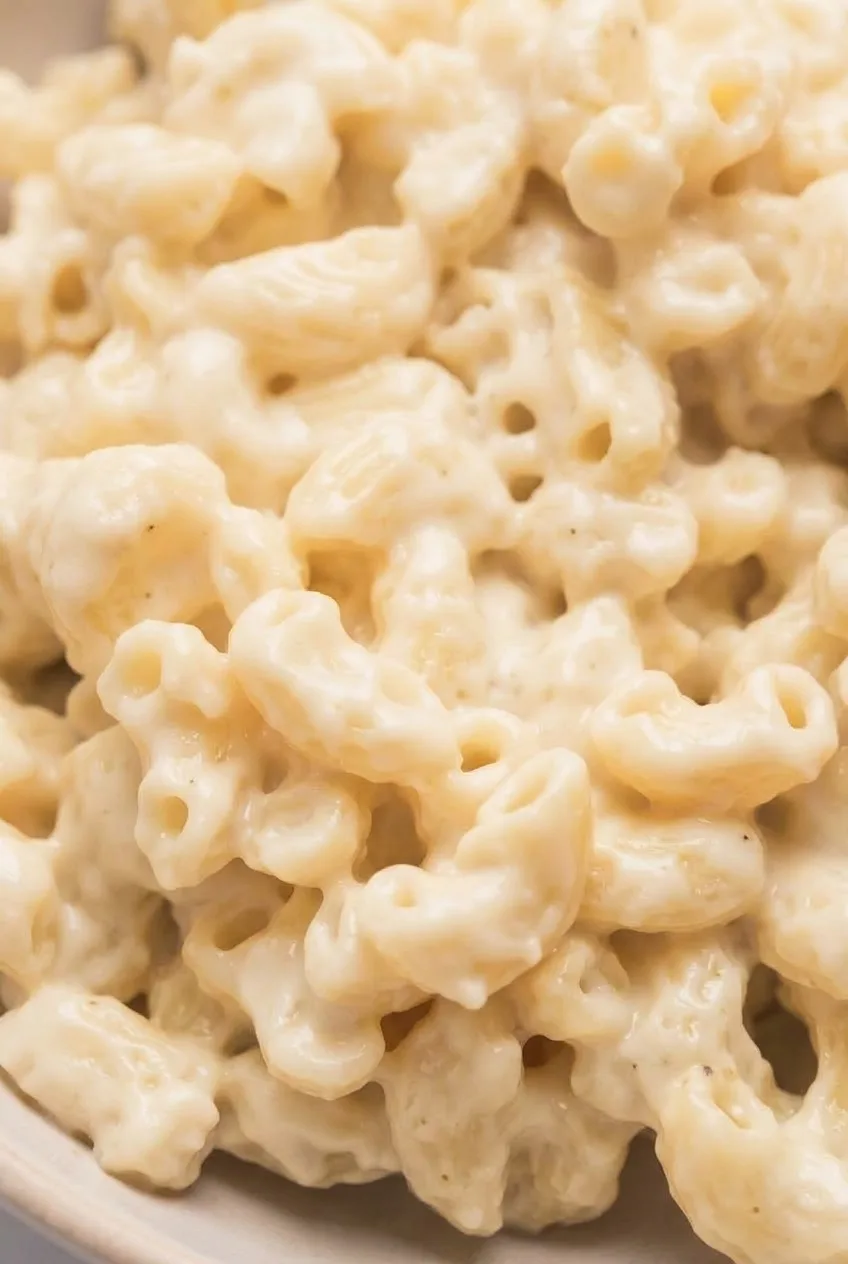
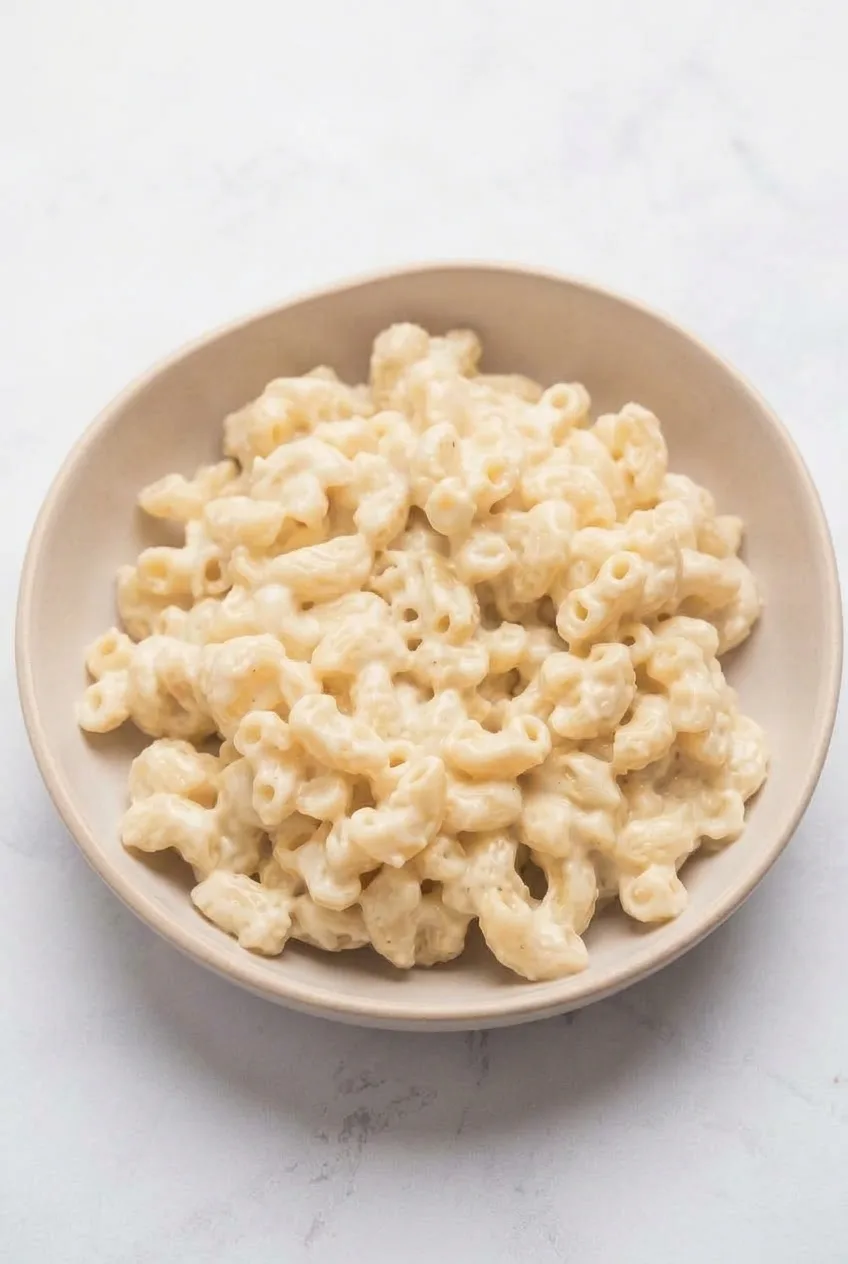
This stovetop white cheddar mac and cheese has a pale, glossy sauce that coats the curves and hollow centers of cavatappi. The pasta cooks separately while a butter, flour, and milk sauce thickens. Stirring in the cheddar off heat helps it melt smoothly without boiling. There’s no baking step or topping; serve the pasta as soon as it’s coated, while the sauce is loose and spoonable.
Ingredients for White Cheddar Mac and Cheese
- 12 ounces cavatappi pasta (340g)
- 3 tablespoons unsalted butter (40g)
- 3 tablespoons all-purpose flour (25g)
- 2 3/4 cups whole milk (about 650g)
- 12 ounces white cheddar, freshly shredded (340g; about 3 packed cups)
- 1/2 teaspoon fine salt, plus more for the pasta water
- 1/4 teaspoon freshly ground black pepper, or to taste
Reserve about 1/2 cup pasta water before draining. You may need 1 to 4 tablespoons of it, or warm milk, to loosen the finished sauce.
Cavatappi holds sauce in its hollow centers and ridges. Elbow macaroni or small shells also work, though they change the shape of the finished dish. Use mild or sharp white cheddar, and taste before adding extra salt; cheeses vary in saltiness.
How to Make Stovetop White Cheddar Mac and Cheese
Prep: 10 minutes Cook: 20 minutes Total: 30 minutes Yield: 6 side servings or 4 generous main servings
- Prepare the ingredients: Shred the cheddar and measure the sauce ingredients. Bring a large pot of salted water to a boil over high heat. Choose a separate 3- to 4-quart heavy saucepan or Dutch oven with room to hold the pasta and sauce together.
- Cook the pasta: Boil the cavatappi uncovered according to the package directions, stirring occasionally. Start tasting about 1 minute before the earliest listed time; drain when tender with a slight bite. Reserve about 1/2 cup pasta water before draining. Make the sauce while the pasta cooks so the drained pasta can go straight into it.
- Thicken the milk sauce: Melt the butter in the saucepan over medium heat. Whisk in the flour and cook for about 1 minute, keeping it smooth and unbrowned. Gradually whisk in the milk. Stir frequently as it heats and gently bubbles, about 3 to 5 minutes, until the sauce lightly coats a spoon but still flows. Reduce to medium-low if it bubbles vigorously.
- Melt in the cheddar: Remove the saucepan from the heat. Stir in the cheddar a handful at a time, letting each addition melt before adding more. Stir in the salt and pepper, then taste and adjust the seasoning. Do not boil the sauce after adding the cheese.
- Coat and serve: Fold in the drained pasta. If the sauce is too thick to settle between the curls, stir in reserved pasta water or warm milk 1 tablespoon at a time. The pasta pieces should remain distinct beneath a generous, glossy coating. Serve immediately in shallow bowls.
How to Keep White Cheddar Sauce Smooth
Thicken the milk sauce before adding the cheese: it should coat a spoon without becoming stiff. Finely shredded cheddar melts more readily, and the sauce’s residual heat is enough to melt it once the pot is off the burner. Boiling after the cheese goes in can leave the sauce gritty or separated.
Serving and Variations
For a vegetable-inclusive portion, fold in 1 to 2 cups of cooked, well-drained broccoli after finishing the plain mac and cheese. Serve the plain version as a side with pork chops and Brussels sprouts, or divide it into four larger main-dish portions.
For another creamy stovetop option, try this Panera mac and cheese copycat. If you prefer a browned finish, see this Gouda mac and cheese.
Leftovers and Reheating
Refrigerate leftovers promptly in a covered container and use within 3 to 4 days. The sauce will thicken as the pasta sits. Reheat gently over low heat on the stovetop or in short microwave intervals, stirring in a splash of milk as needed. Freezing is not recommended if you want to preserve the sauce’s smooth texture.
Nutrition
Approximate per side serving (1/6 of the recipe): 570 calories, 25g protein, 29g fat, and 51g carbohydrates. Approximate per 100g of prepared mac and cheese: 180 calories, 8g protein, 9g fat, and 16g carbohydrates. Values vary with the cheddar used and the amount of liquid retained by the pasta.
Equipment
- Large pot
- 3- to 4-quart heavy saucepan or Dutch oven
- Whisk
- Colander
Ingredients
- 12 ounces cavatappi pasta (340 g)
- 3 tablespoons unsalted butter (40 g)
- 3 tablespoons all-purpose flour (25 g)
- 2 3/4 cups whole milk (about 650 g)
- 12 ounces freshly shredded white cheddar (340 g; about 3 packed cups)
- 1/2 teaspoon fine salt, plus more for the pasta water
- 1/4 teaspoon freshly ground black pepper, or to taste
Instructions
- Shred the cheddar and measure the sauce ingredients. Bring a large pot of salted water to a boil.
- Boil the cavatappi uncovered according to package directions, stirring occasionally. Begin tasting about 1 minute before the earliest listed cook time and drain when tender with a slight bite. Reserve about 1/2 cup pasta water before draining.
- While the pasta cooks, melt the butter in a heavy saucepan or Dutch oven over medium heat. Whisk in the flour and cook for about 1 minute, keeping it smooth and unbrowned.
- Gradually whisk in the milk. Stir frequently as it heats and gently bubbles for 3 to 5 minutes, until it lightly coats a spoon but still flows. Reduce the heat if it bubbles vigorously.
- Remove the saucepan from the heat. Stir in the cheddar a handful at a time, allowing each addition to melt before adding more. Stir in the salt and pepper, then taste and adjust the seasoning.
- Fold in the drained pasta. If the sauce is too thick, add reserved pasta water or warm milk 1 tablespoon at a time. Serve immediately.
Tips
- Shred the cheddar finely so it melts more readily.
- Add the cheese off the heat and do not boil the sauce afterward; boiling can make it gritty or separated.
- Taste before adding extra salt because cheddar varies in saltiness.
- Use reserved pasta water or warm milk a tablespoon at a time to loosen a thick sauce.
Variations
- Broccoli White Cheddar Mac and Cheese: Fold in 1 to 2 cups of cooked, well-drained broccoli after finishing the mac and cheese.
- Mac and Cheese with Other Pasta Shapes: Use elbow macaroni or small shells instead of cavatappi.